
Stage Design
Florian Wieder
Wieder Design Studio · Munich · "Metropolis" concept
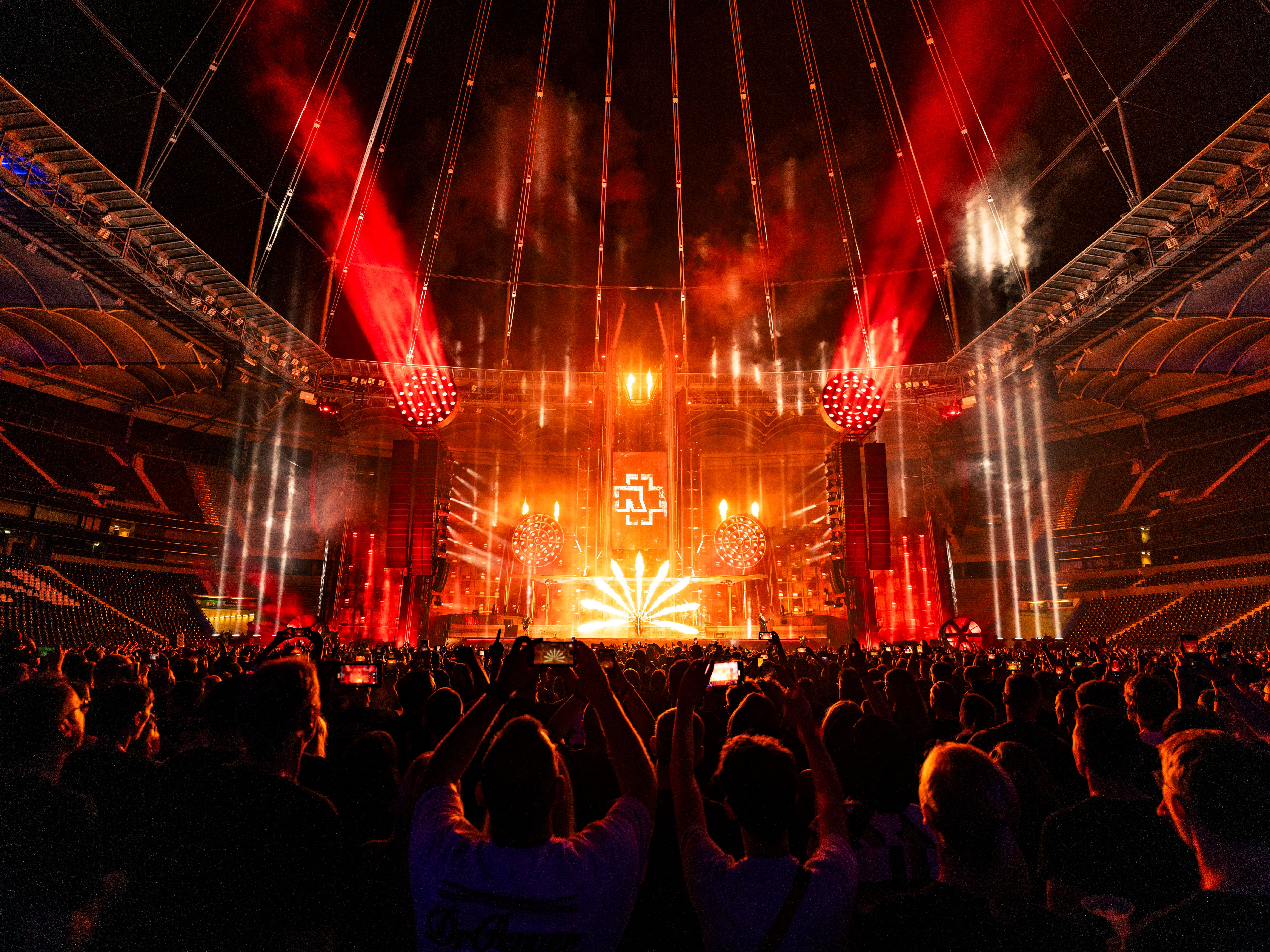
The stage was designed by Munich architect Florian Wieder (Wieder Design Studio). His reference was Fritz Lang’s 1927 film Metropolis, with nods to steampunk, Blade Runner and Tron. Show and lighting design came from Patrick Woodroffe and Roland Greil (Woodroffe Bassett Design); Jeremy Lloyd (Wonder Works) handled the engineering. Nicolai Sabottka ran production and special effects.
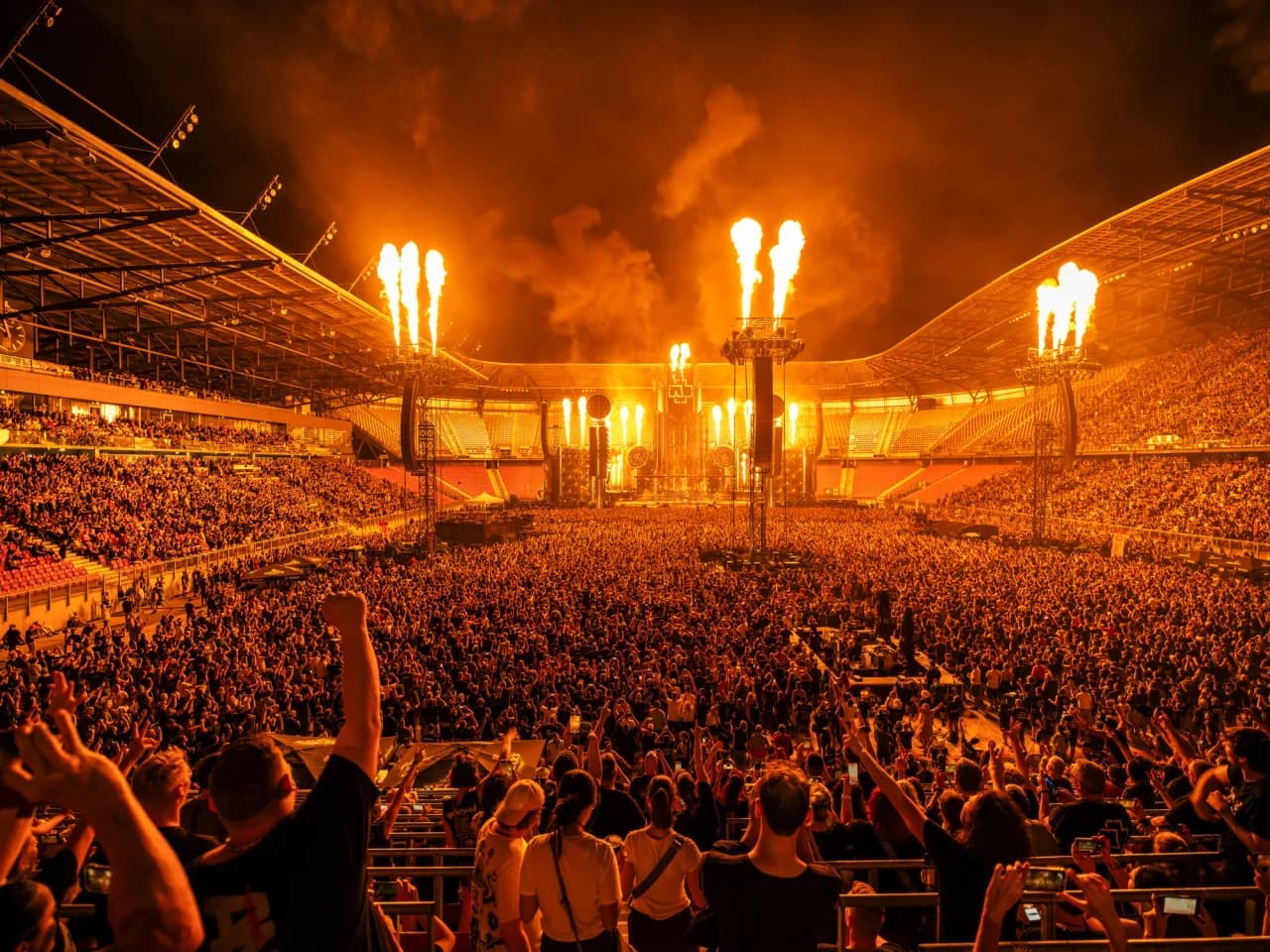
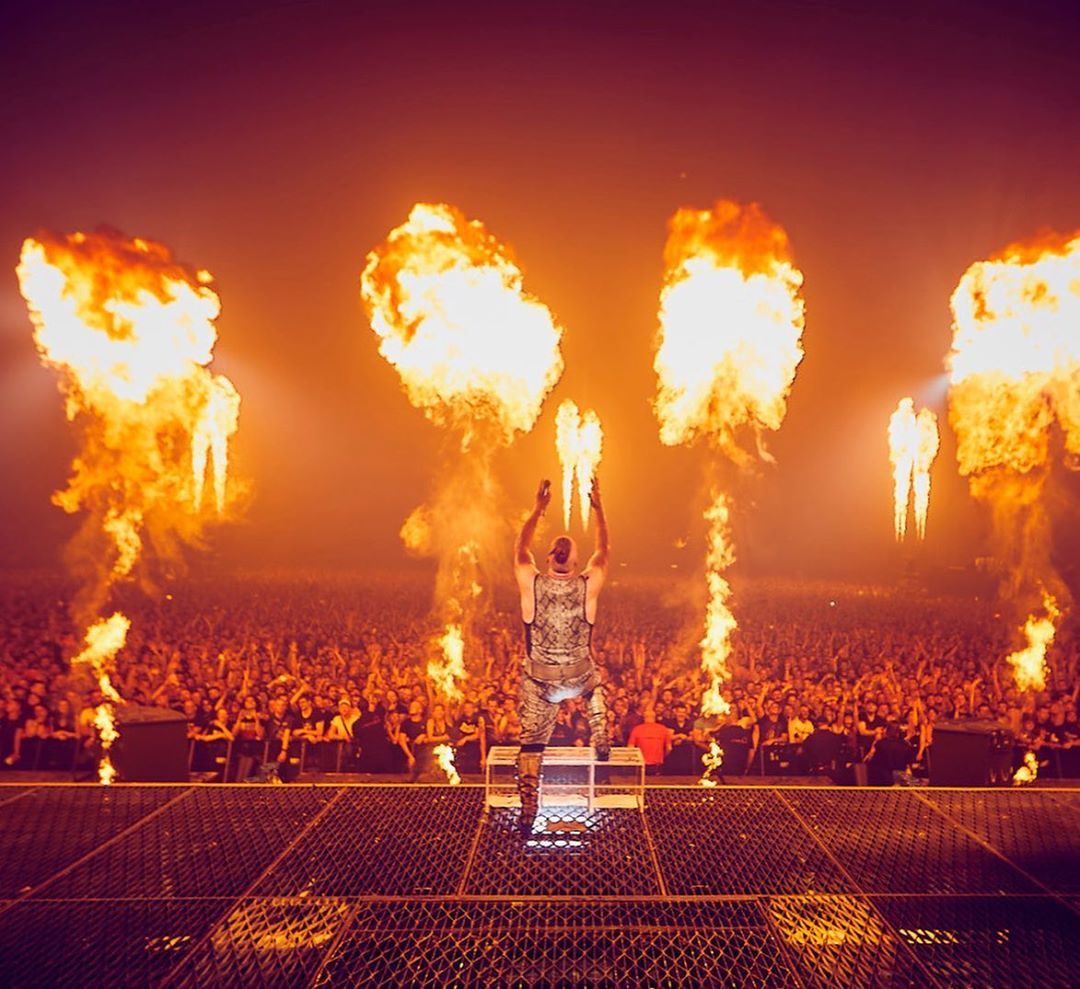
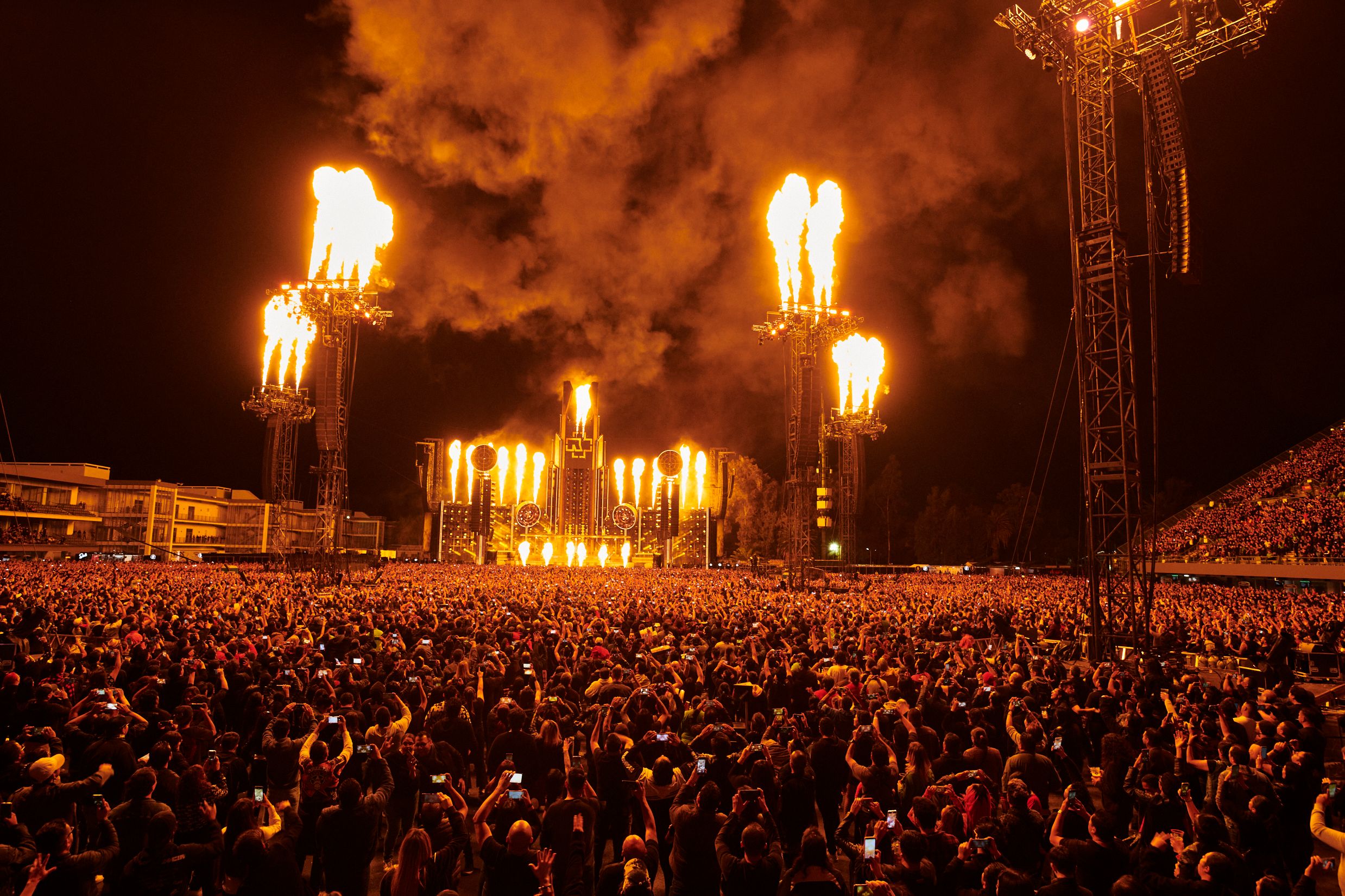
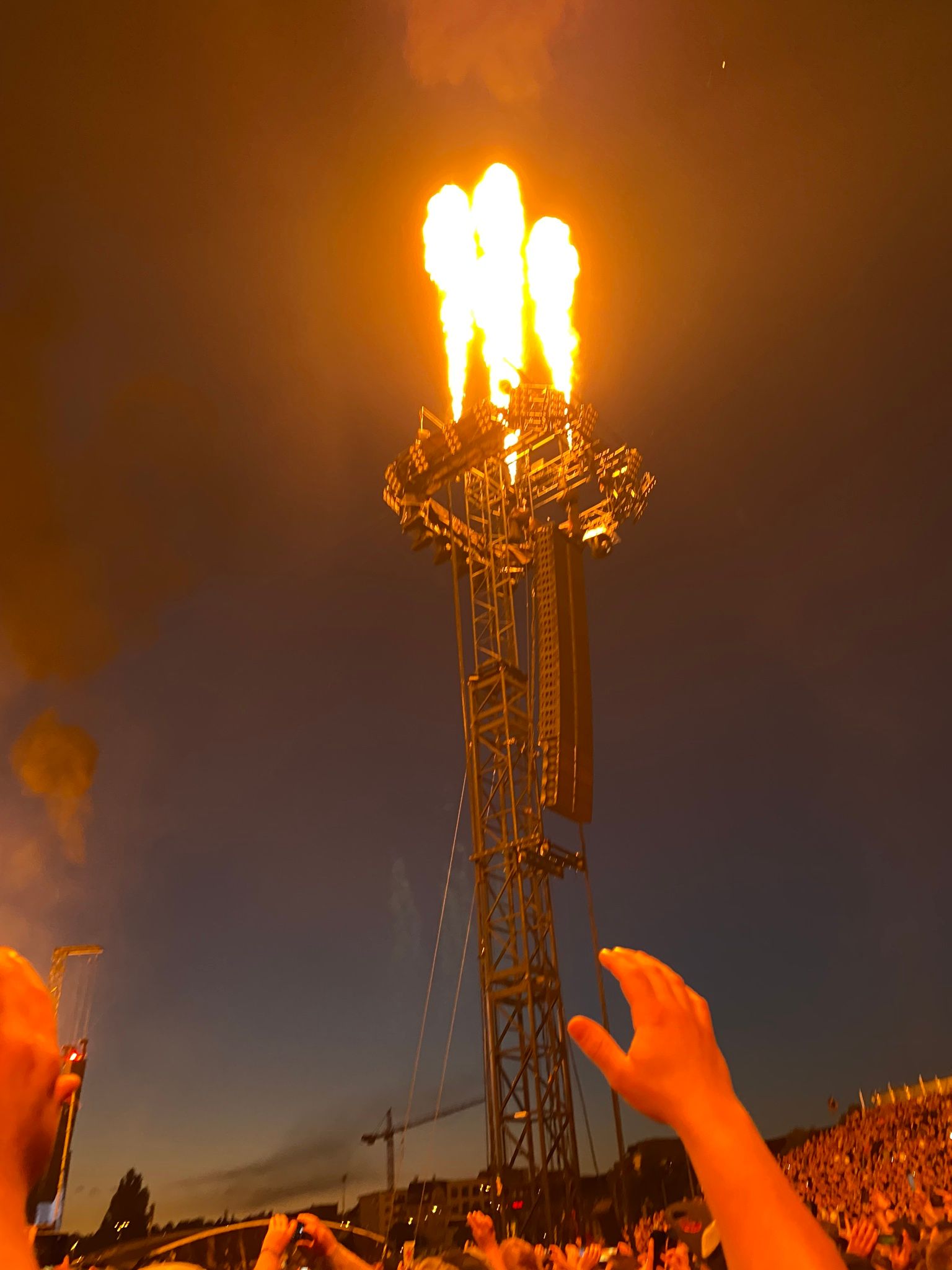
At the centre stands a black steel tower, 36 m high and 60 m wide, with around 45 m² of moving video surface, travelling band platforms and flame effects. Robe and Claypaky put the height at 38 m, depending on whether the superstructures are counted. Behind it sits a 55 m wide back wall: not a video wall, but a large lighting display, topped by a platform at 12 m for sky-tracers and pyro. In front stand two custom-built 23 m PA towers (1.4 × 1.4 m), engineered for high wind loads.
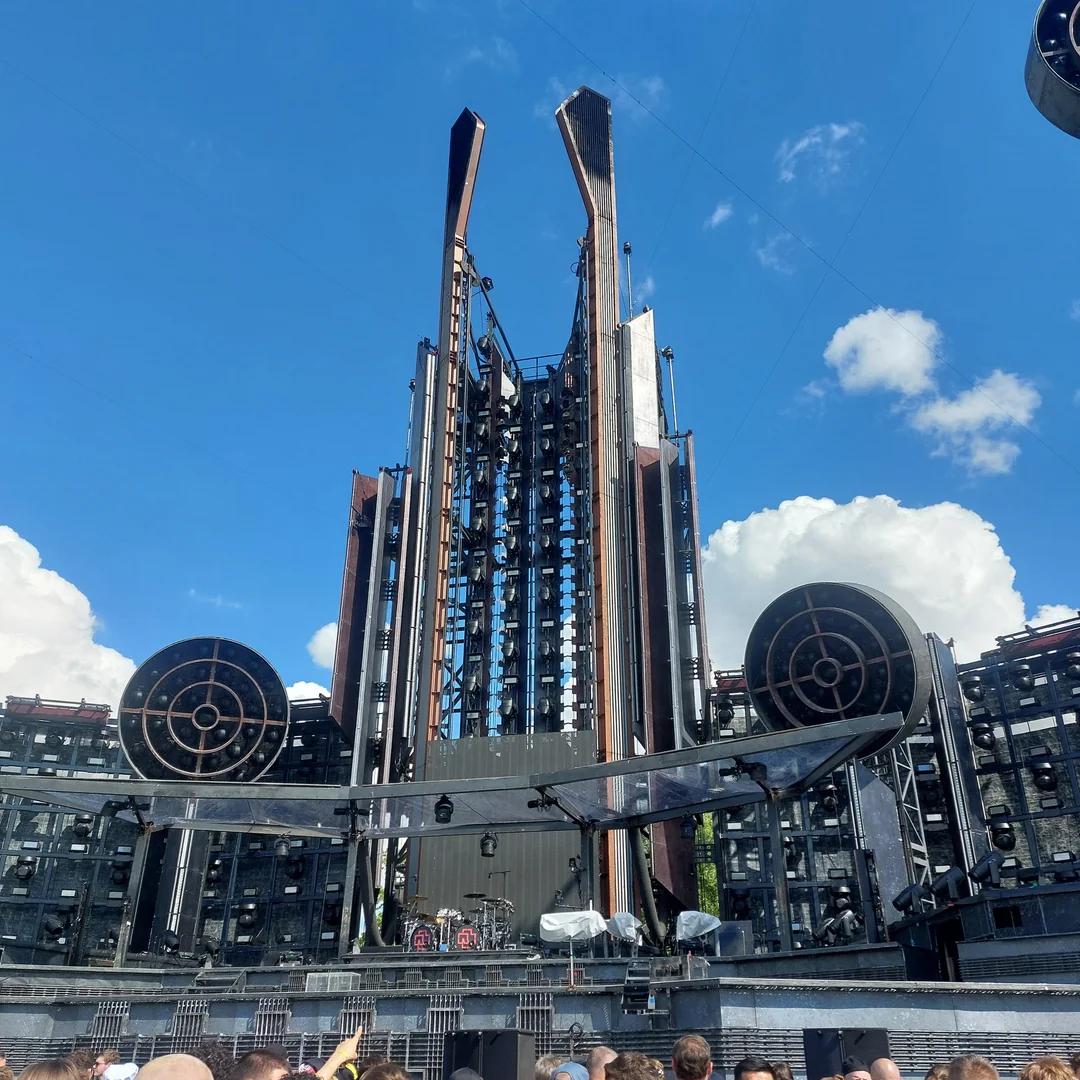
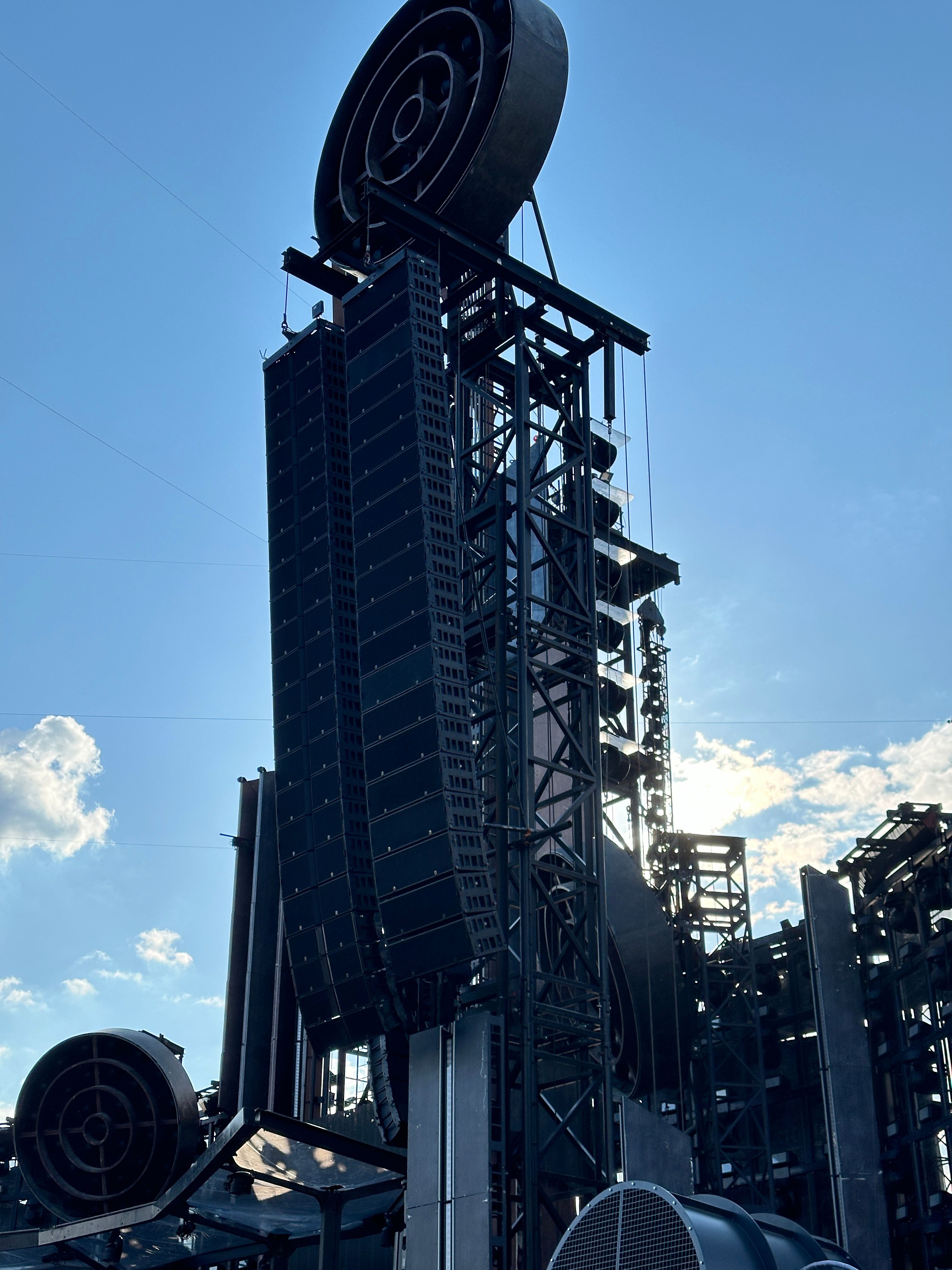
The official Stageco figures for the tour. Behind every entry stands a steel builder who has equipped the world’s biggest tours for decades.
| Central tower | 36 m tall · 60 m wide · black Stageco steel · ≈ 45 m² automated video surfaces · moving band platforms · flame effects |
|---|---|
| Tower height (alternative) | 38 m — Robe / Claypaky · difference from superstructures |
| Back wall | approx. 55 m wide · no video wall · carrier of a light display · platform at 12 m height for sky-tracer + pyro |
| Downstage PA towers | 2 units · 23 m height · 1.4 × 1.4 m cross-section · engineered for above-average wind loads |
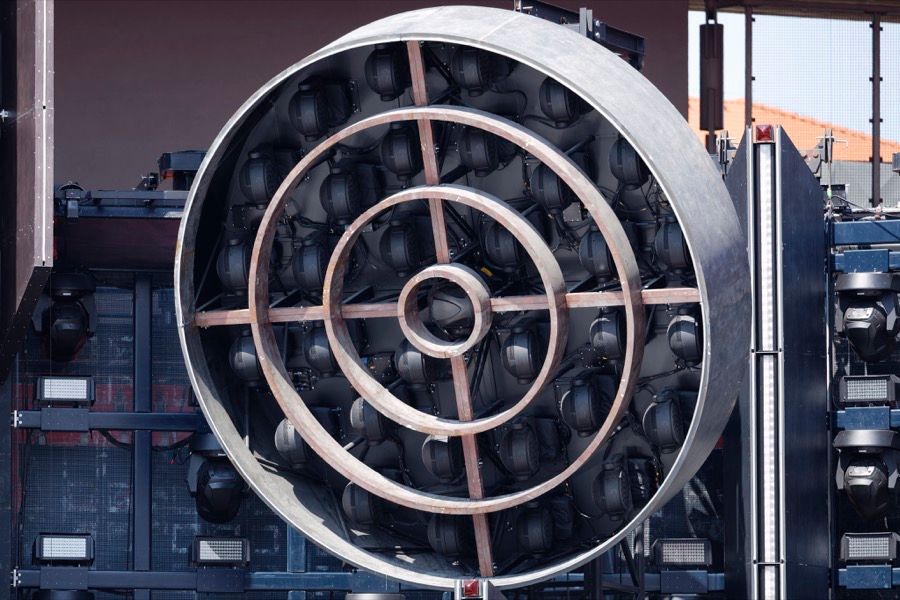
| Lighting pods | 2 units · ⌀ 5 m · ride up the tower on a rail |
| Stage canopies | 2× custom · transparent · 4 columns each · pyro wiring integrated |
| Delay towers | 4 units · distributed in the audience · audio + video |
| FOH | Control riser · complete stage deck · all platforms Stageco |
The motion system came from WIcreations in Belgium, using their own WIMOTION platform with SIL3 position monitoring — the highest safety level actually used in live entertainment. Two machines carry the show’s vertical movement: a 5 × 9 m HD video wall that travels 27 m up and down the tower (wind-safe to 15 m/s), and a lift that raises all six band members 26 m above the main stage. Both run on 10 WIHOISTs at up to 0.4 m/s. For the first build, WIcreations delivered 72 tonnes of custom kit on 10 trailers — built in 14 weeks.
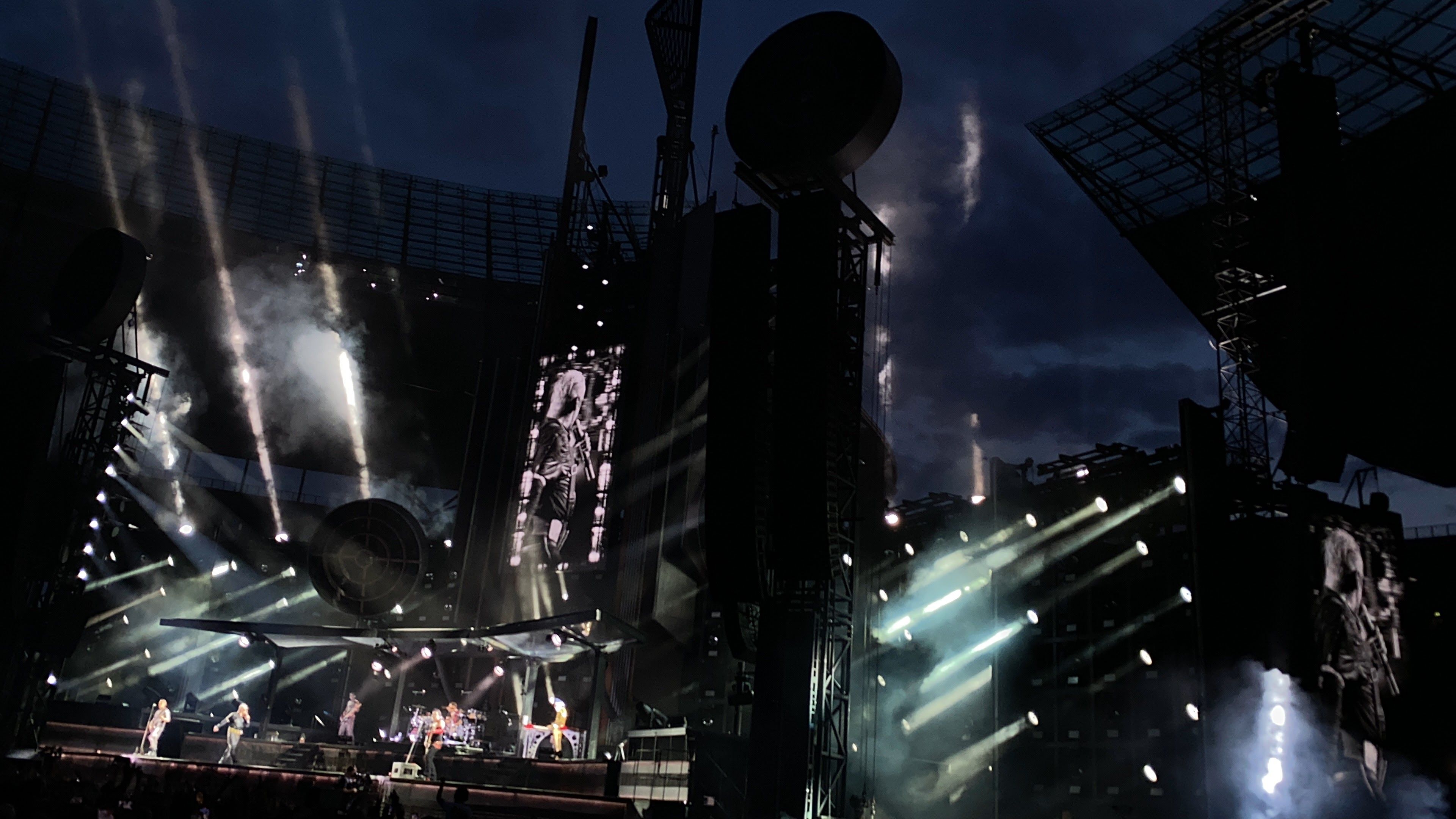
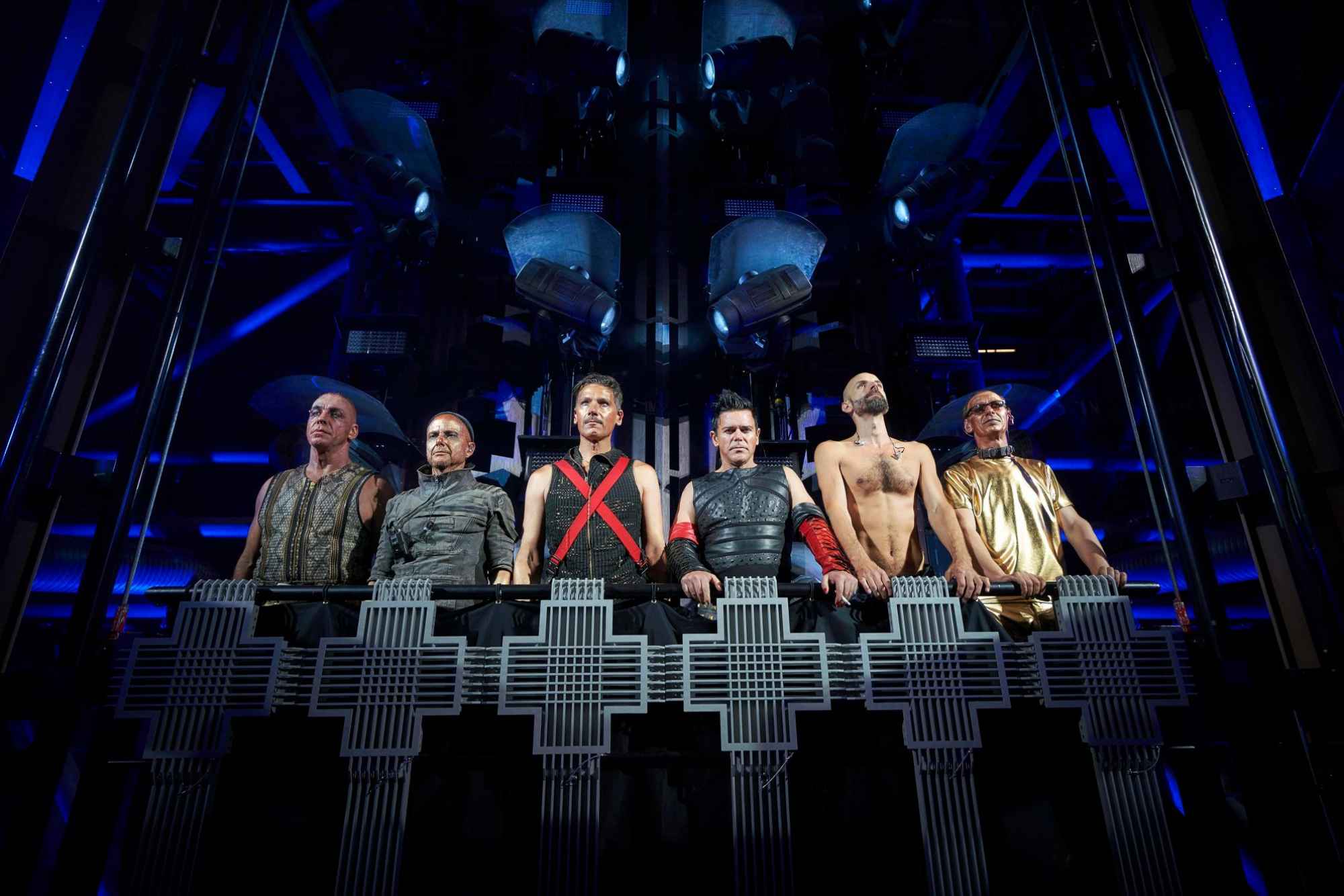
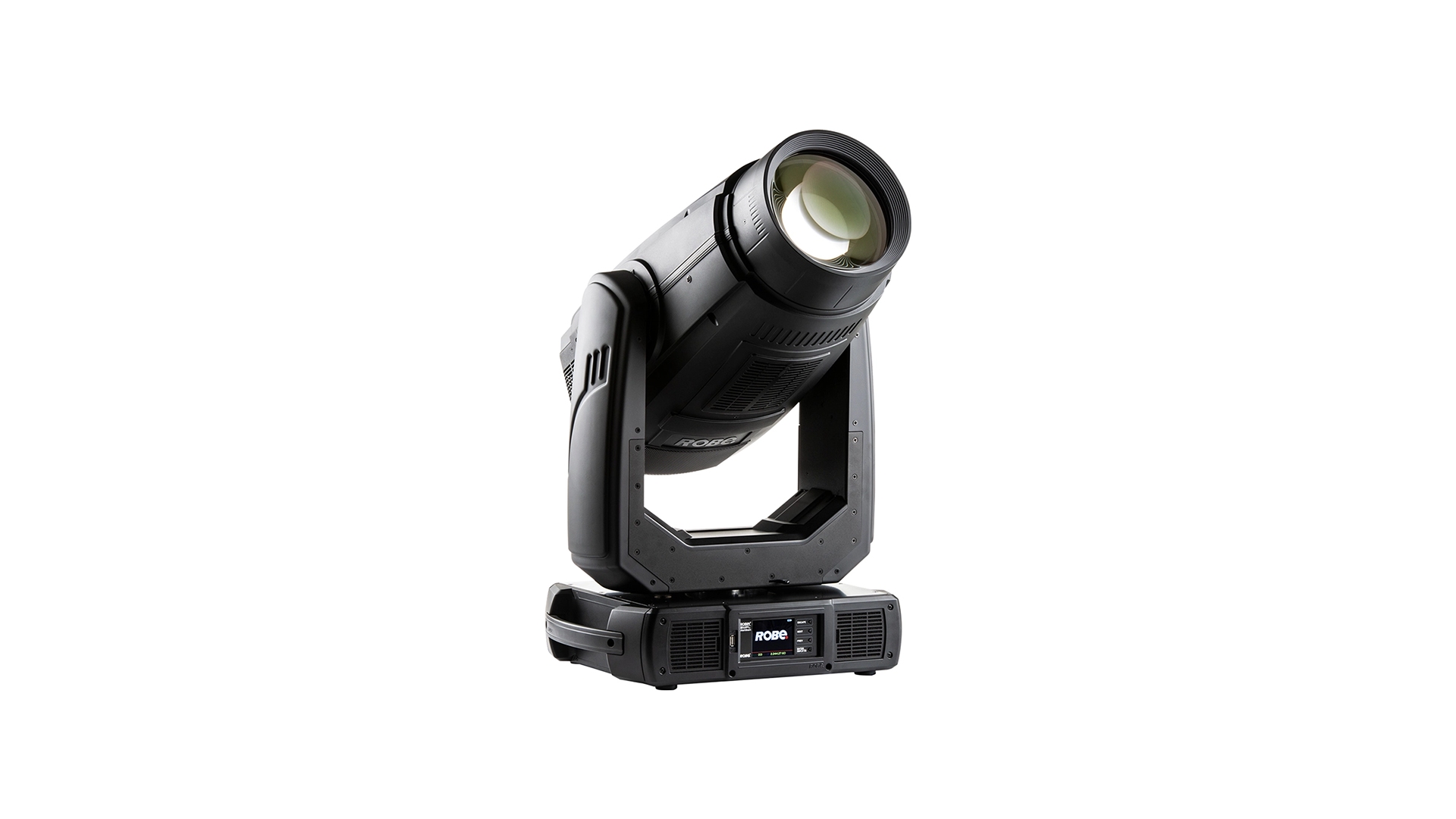
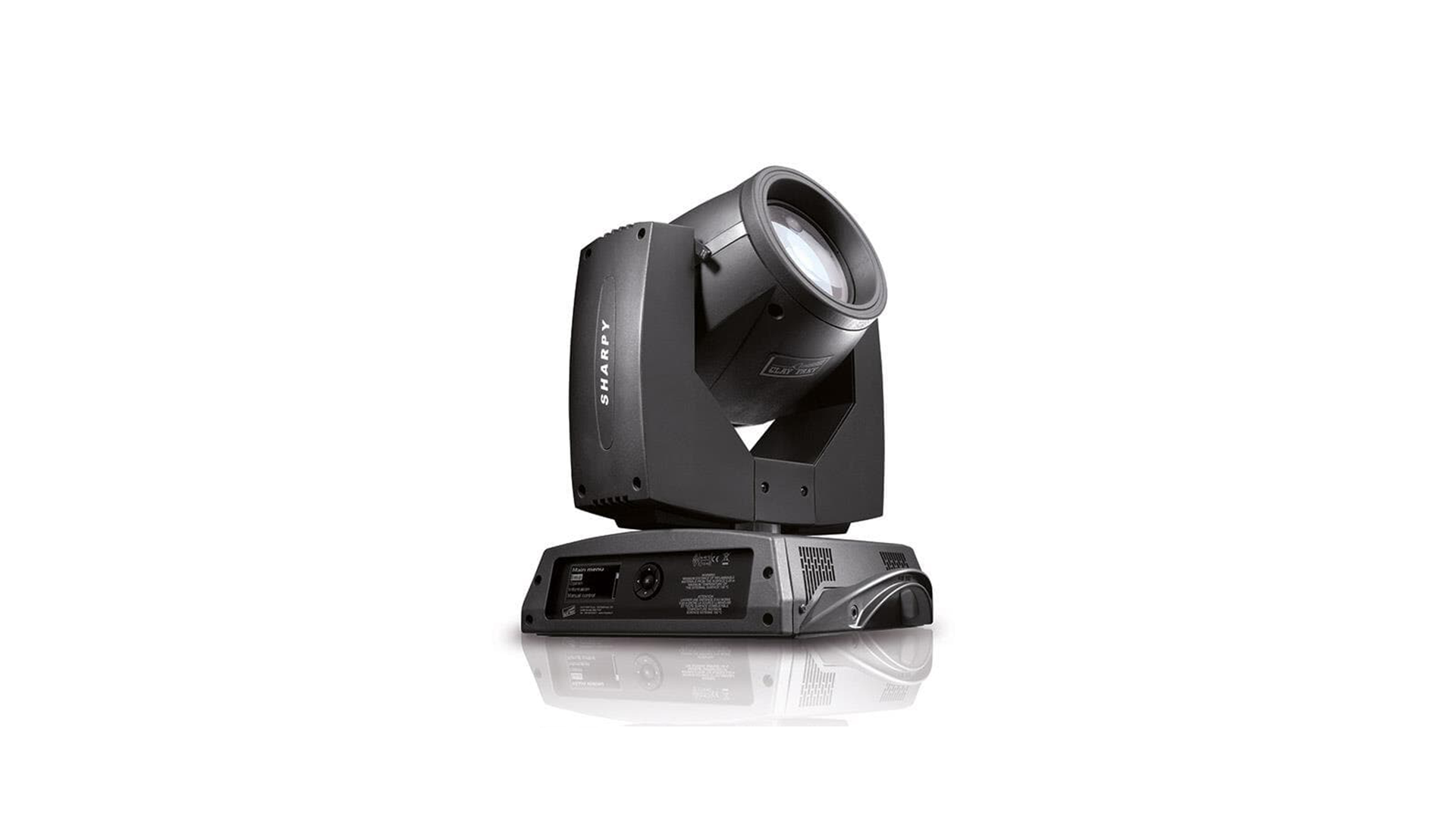
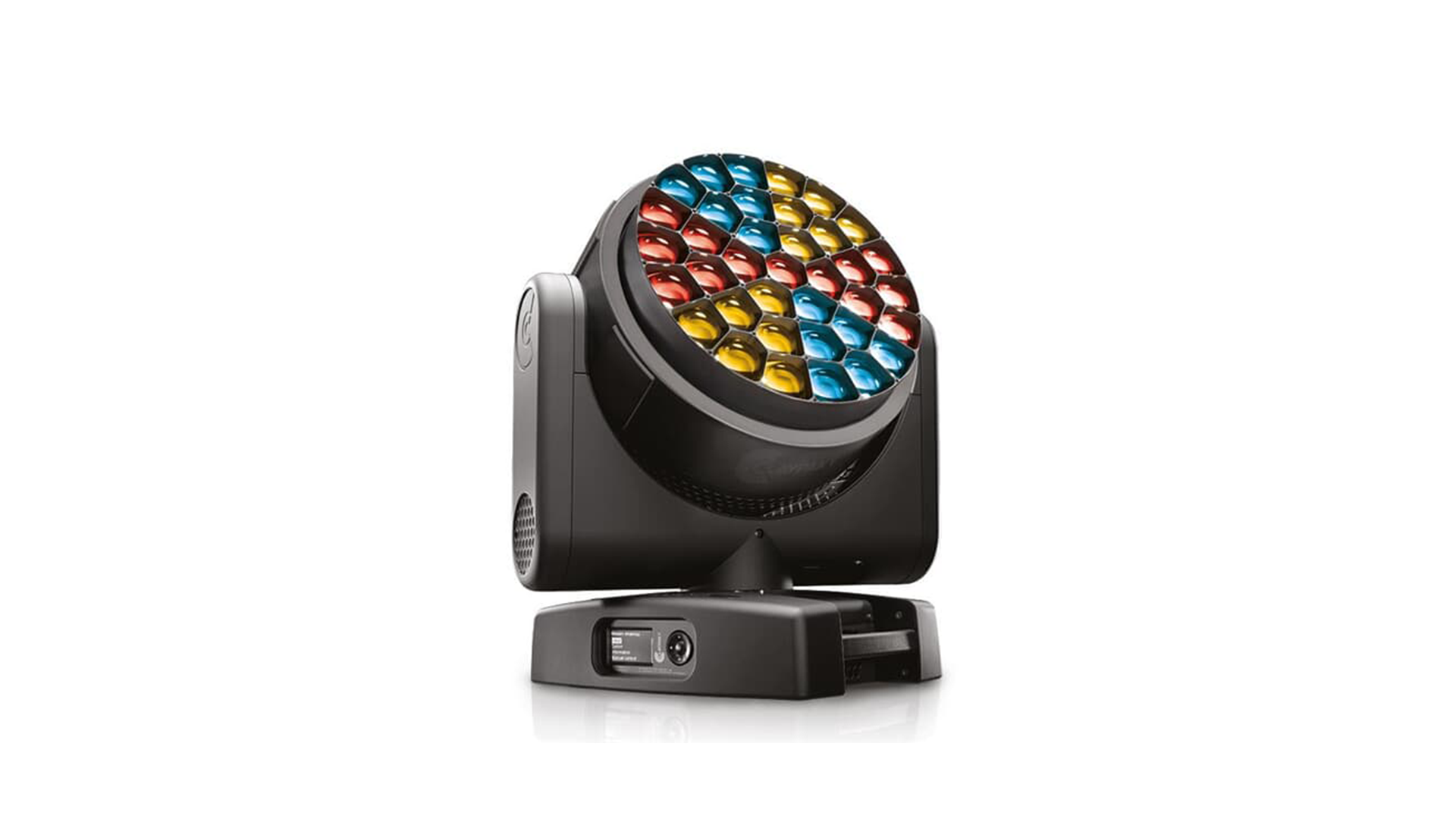
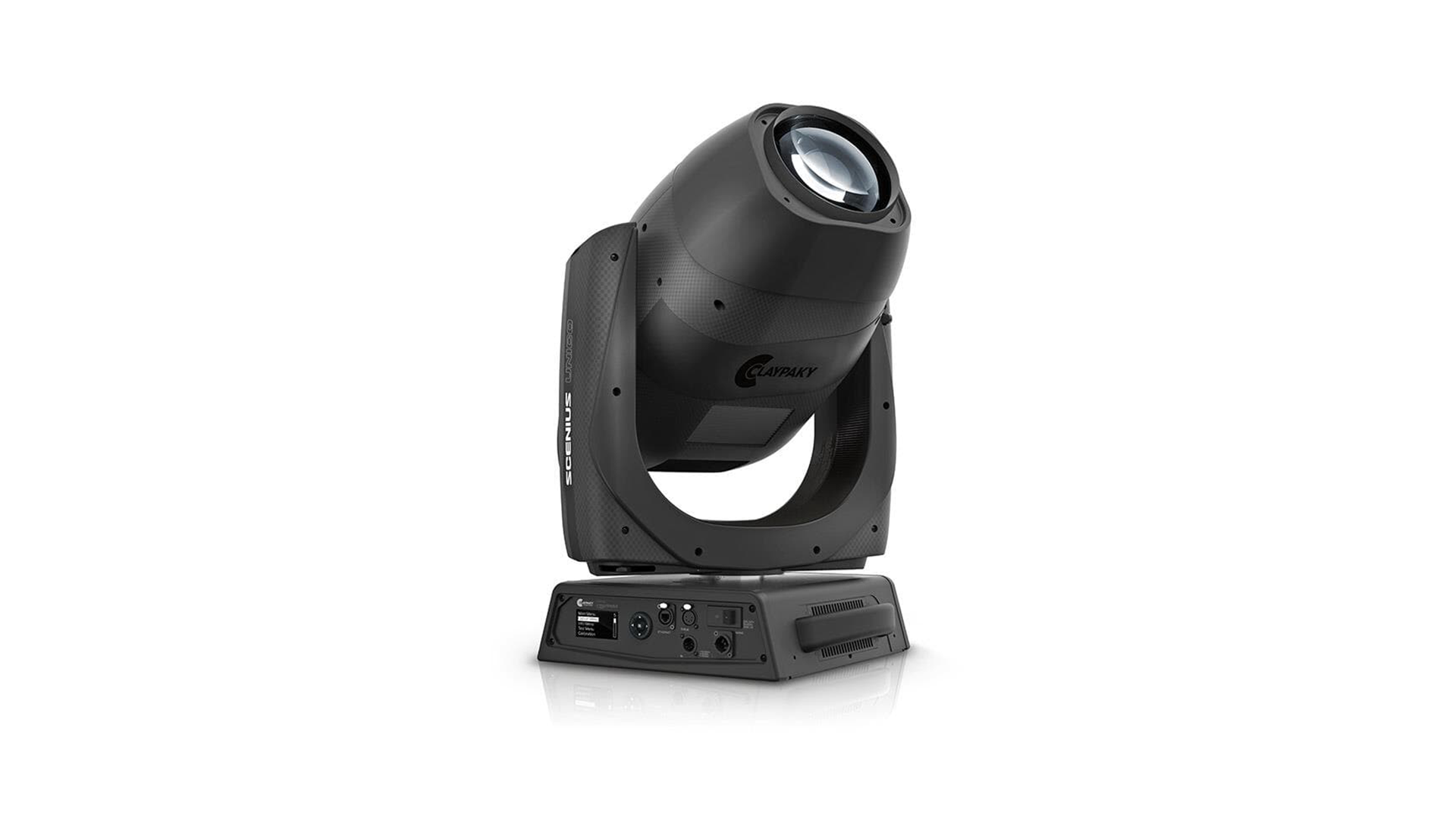
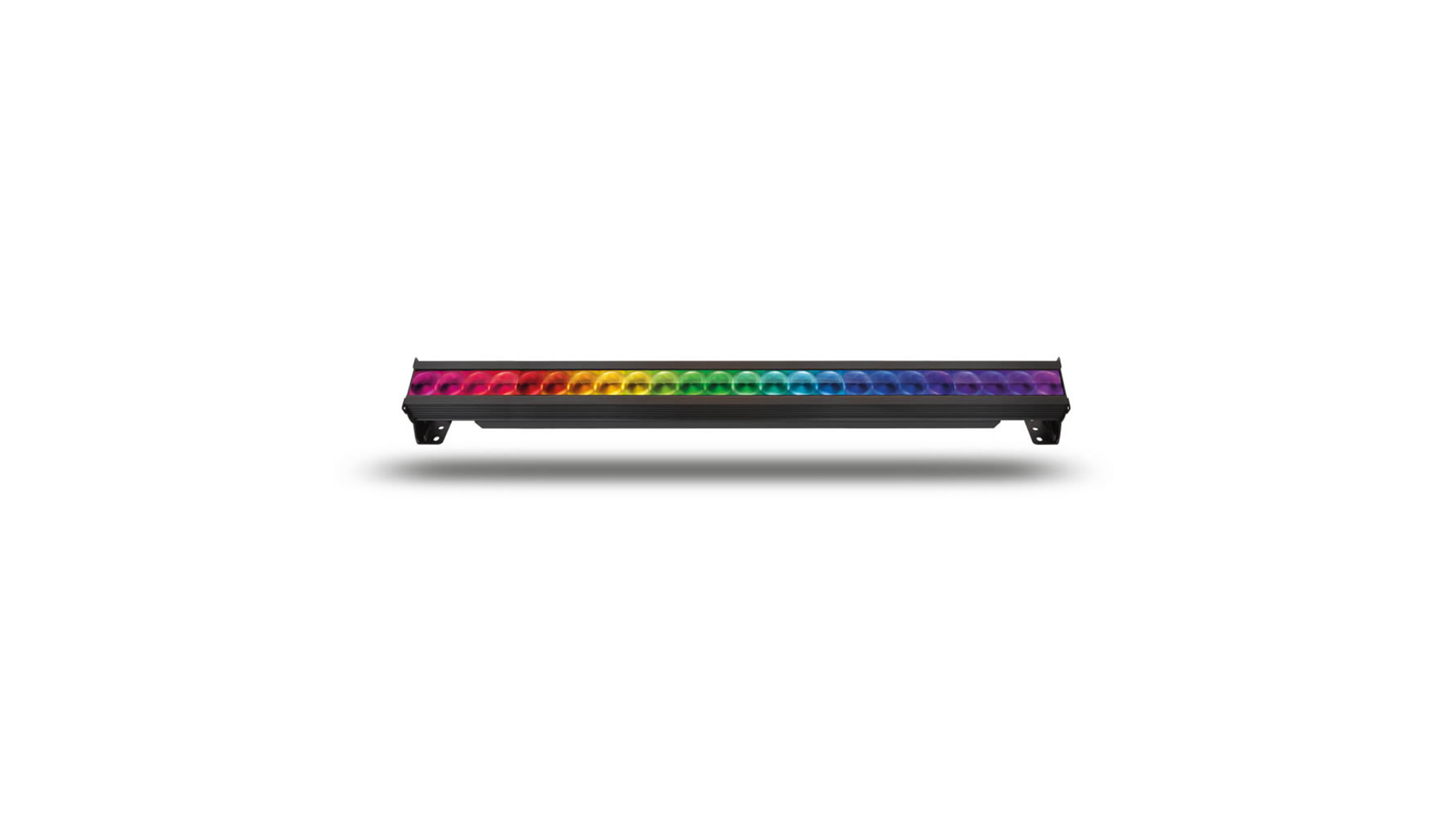
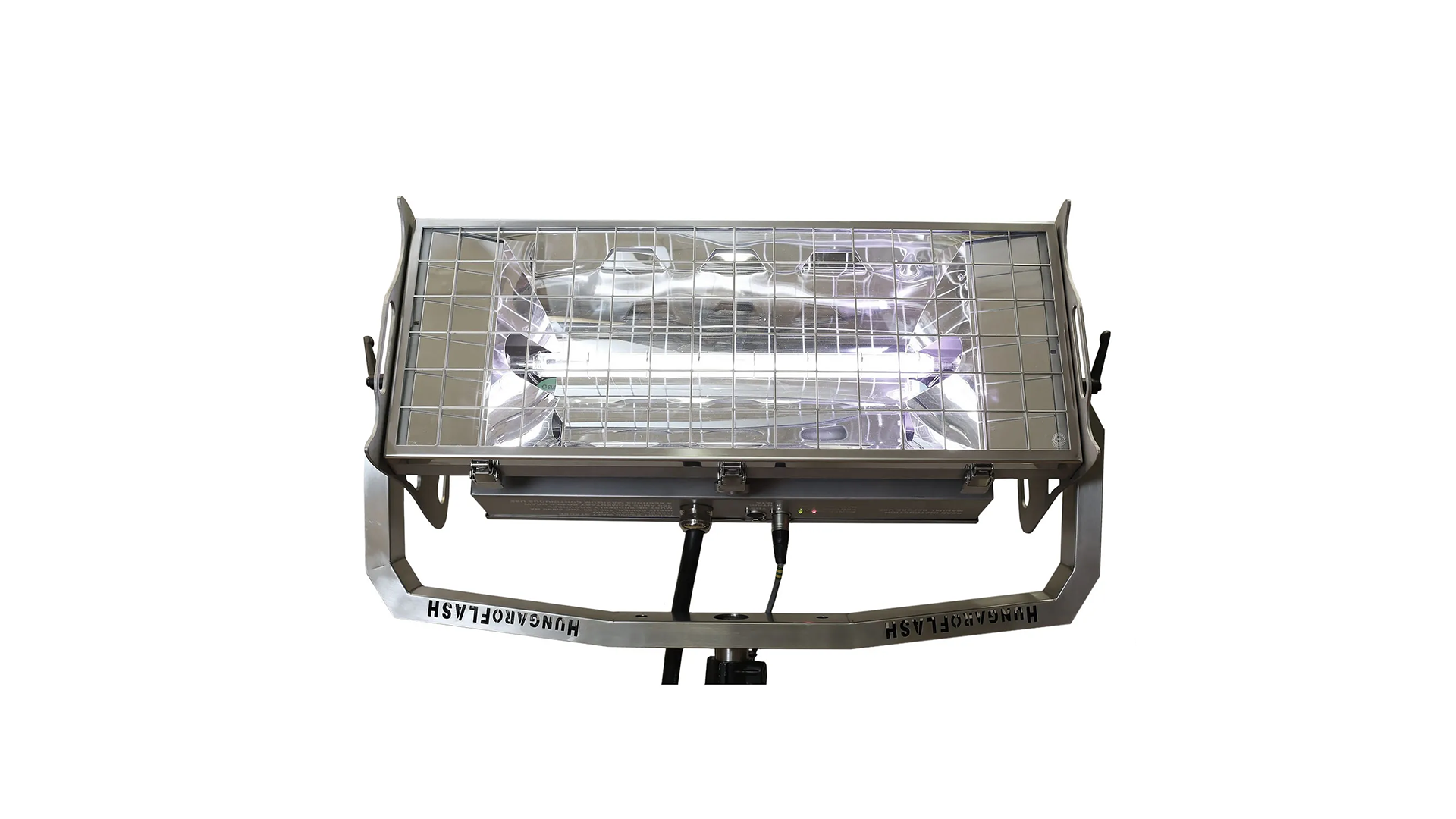
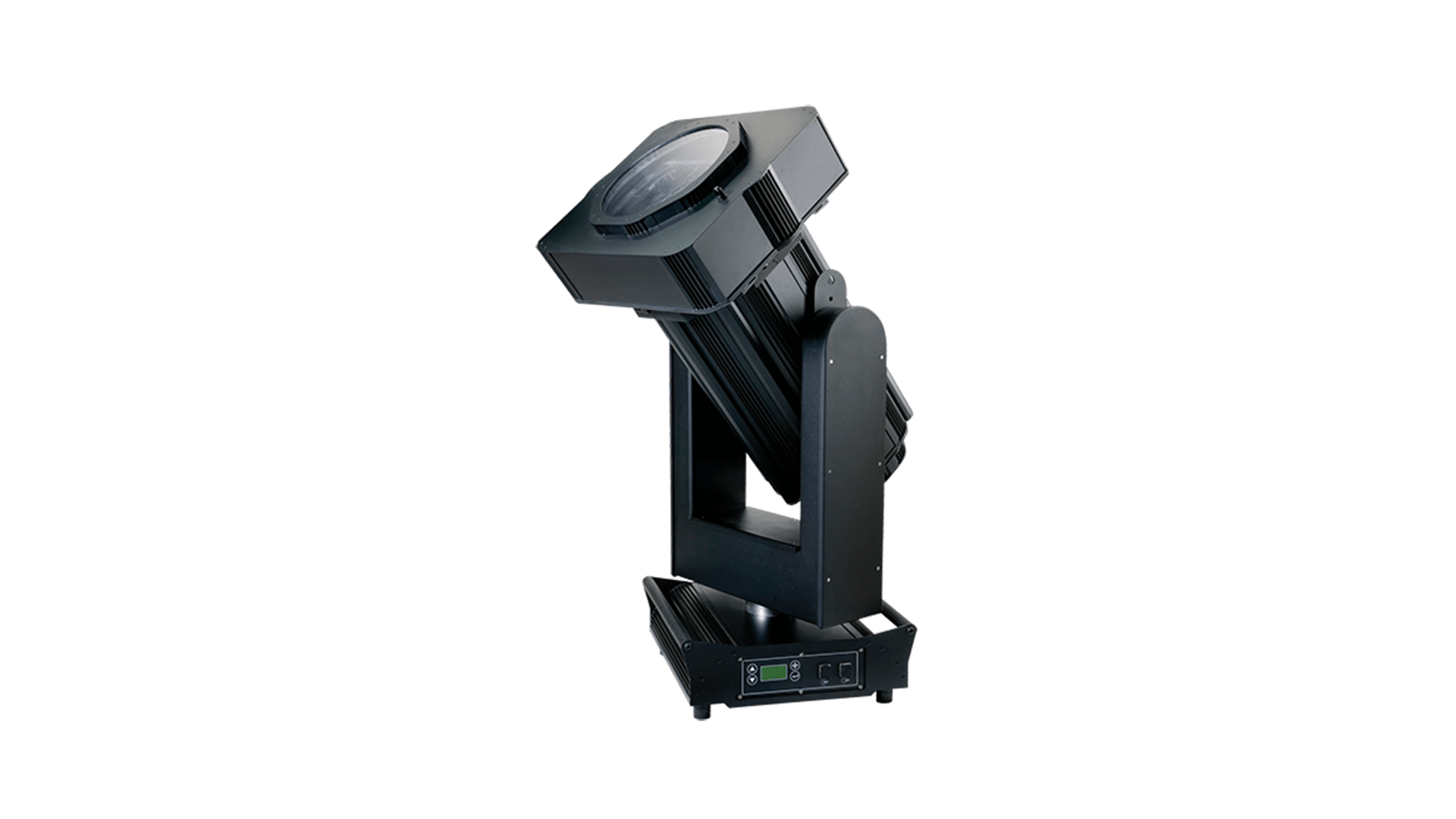
Roland Greil called it a “rig with over 1,000 fixtures”. It was supplied by Neg Earth Lights of London. Each maker lists only its own units; added up, the counts below reach the often-quoted thousand-plus. Programming was by Marc Brunkhardt, with Faren Matern operating on tour. Control runs on 4 grandMA2 full-size and 1 grandMA2 light.
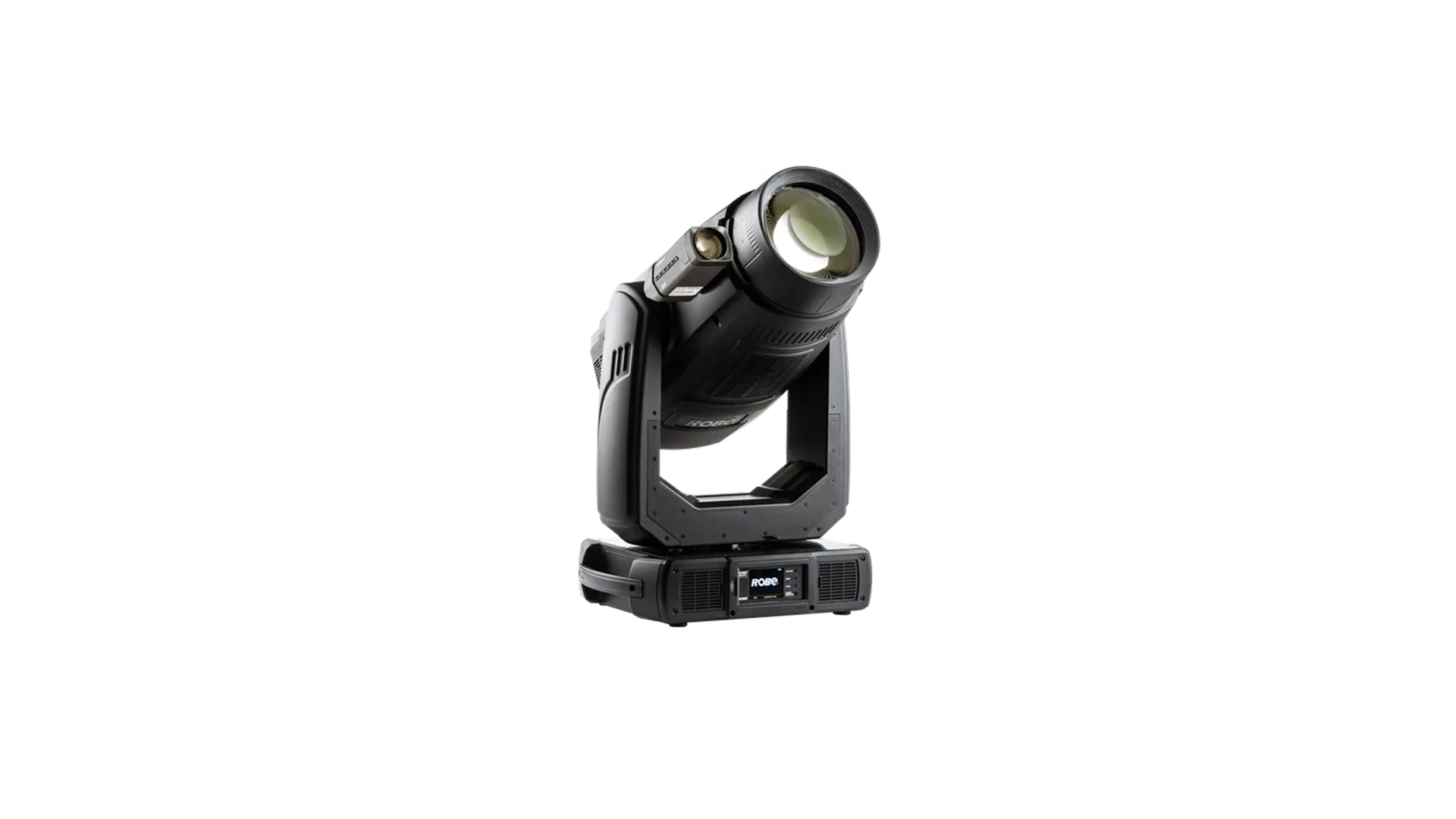
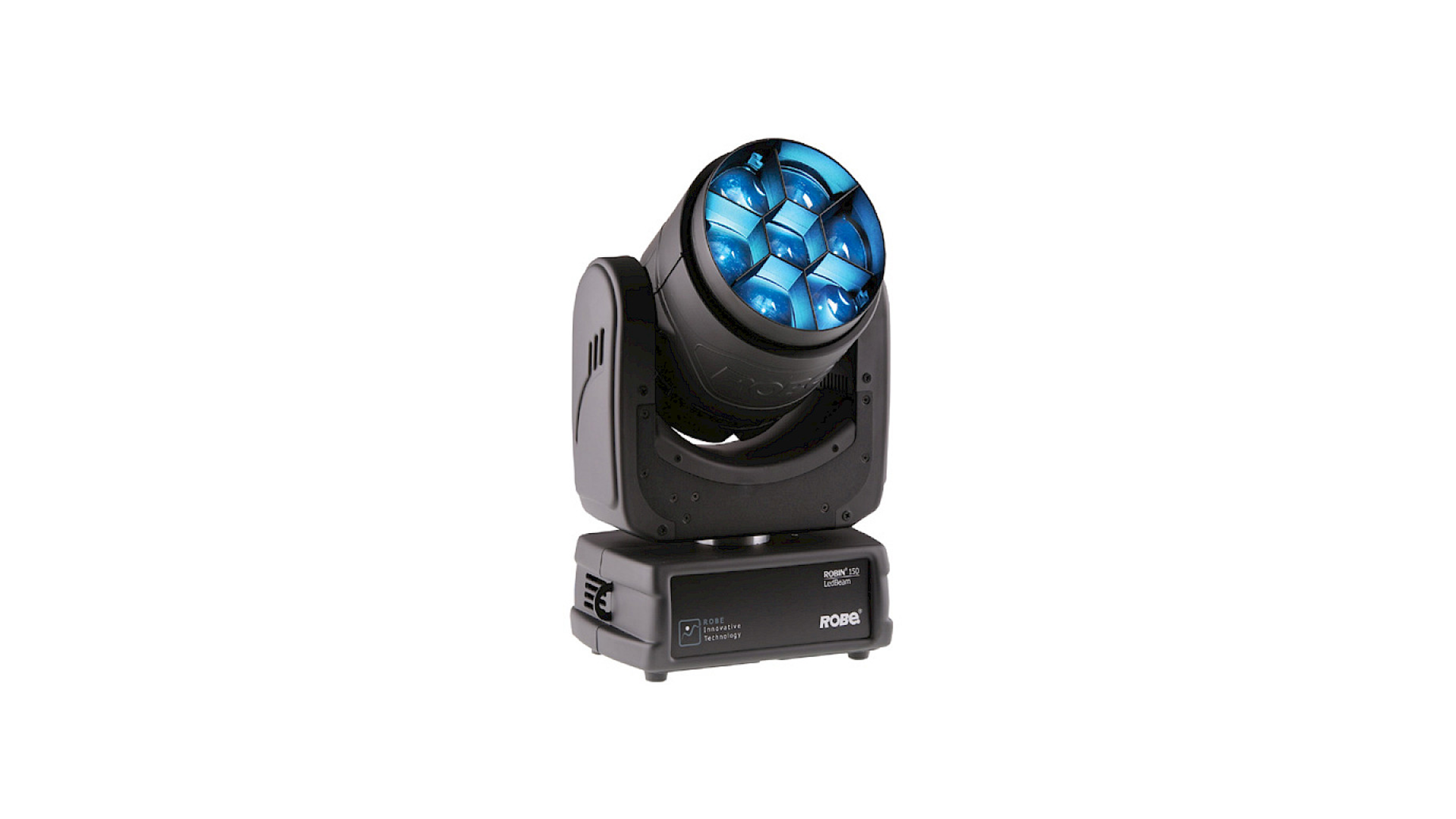
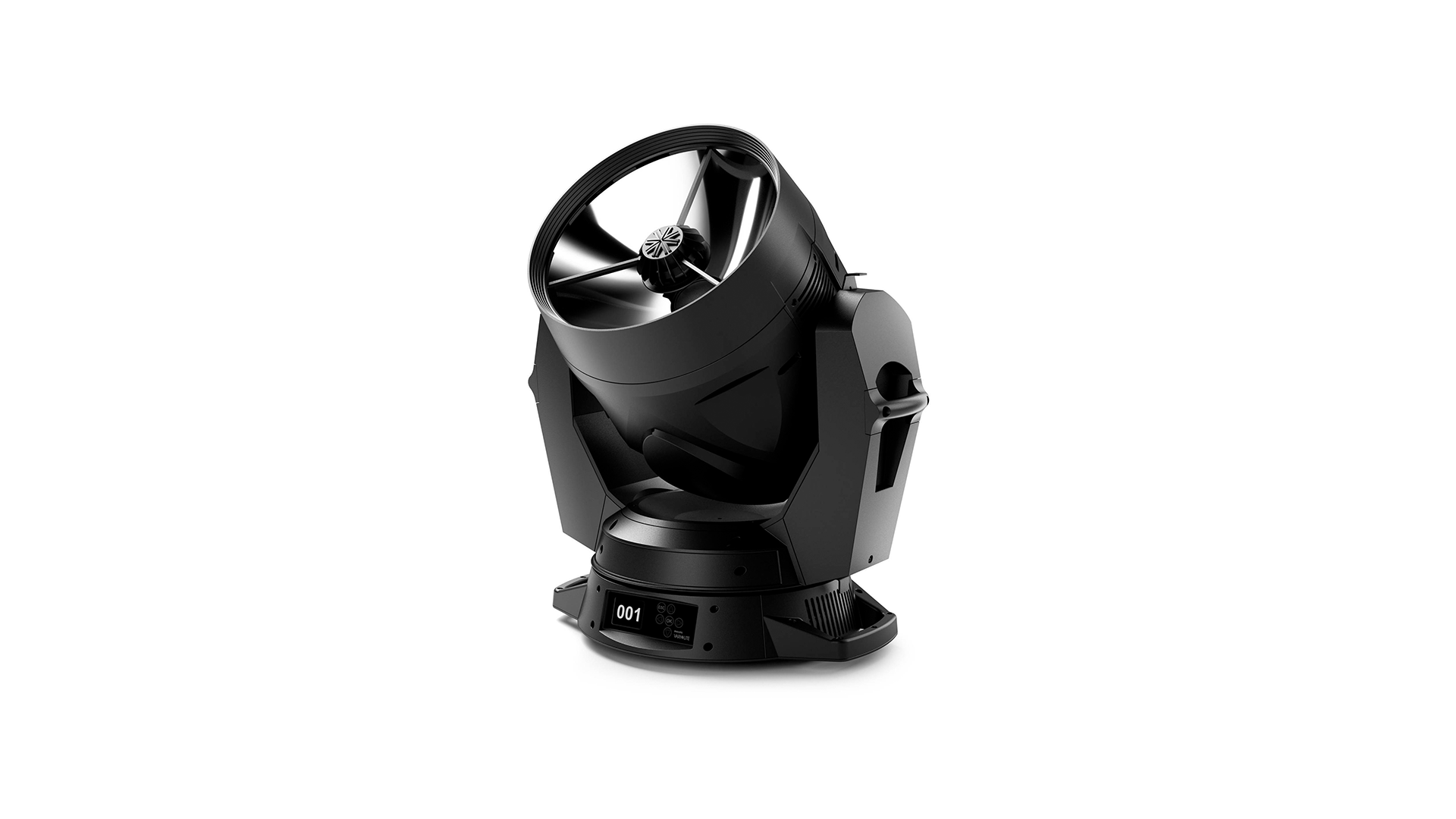
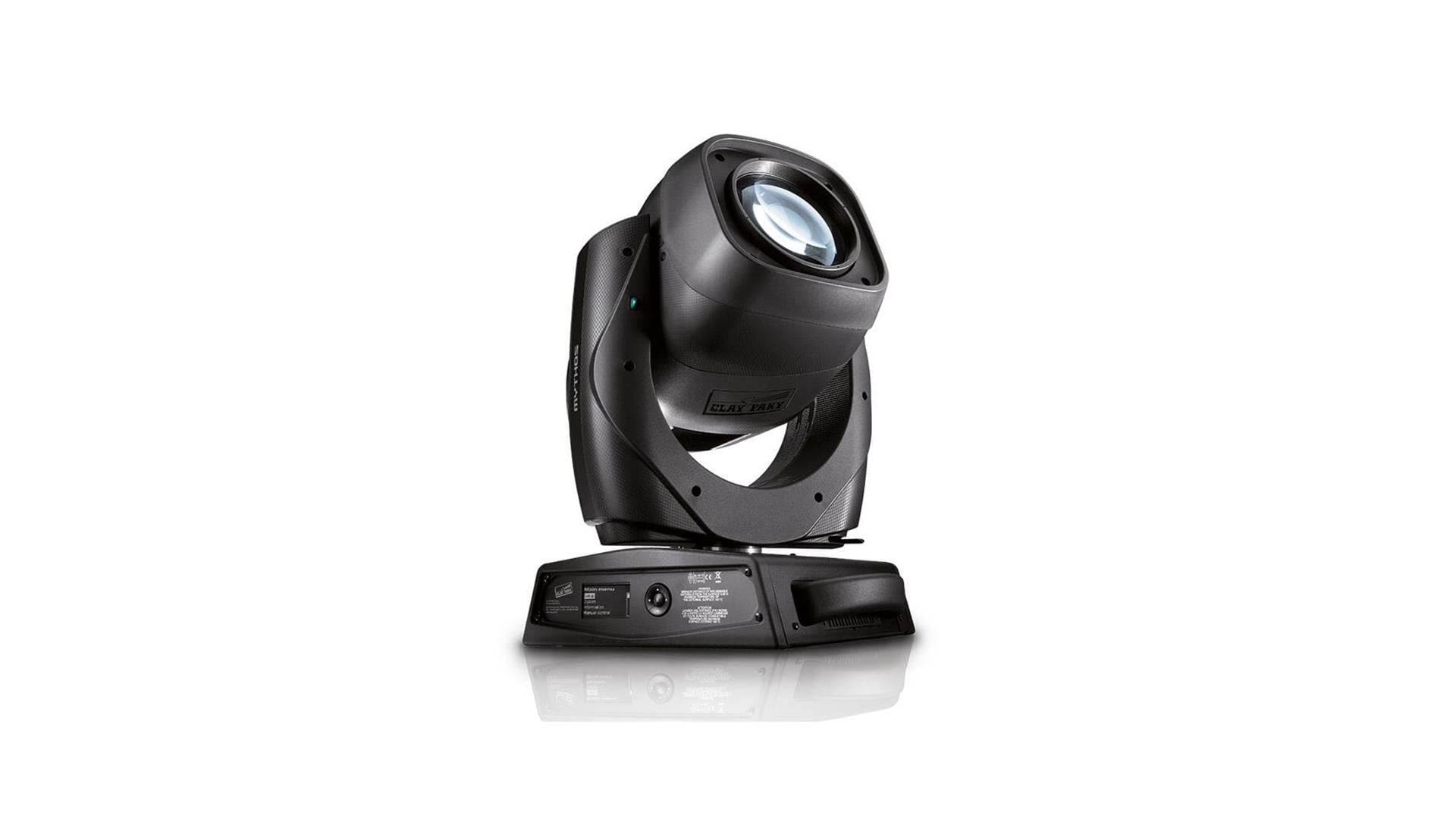
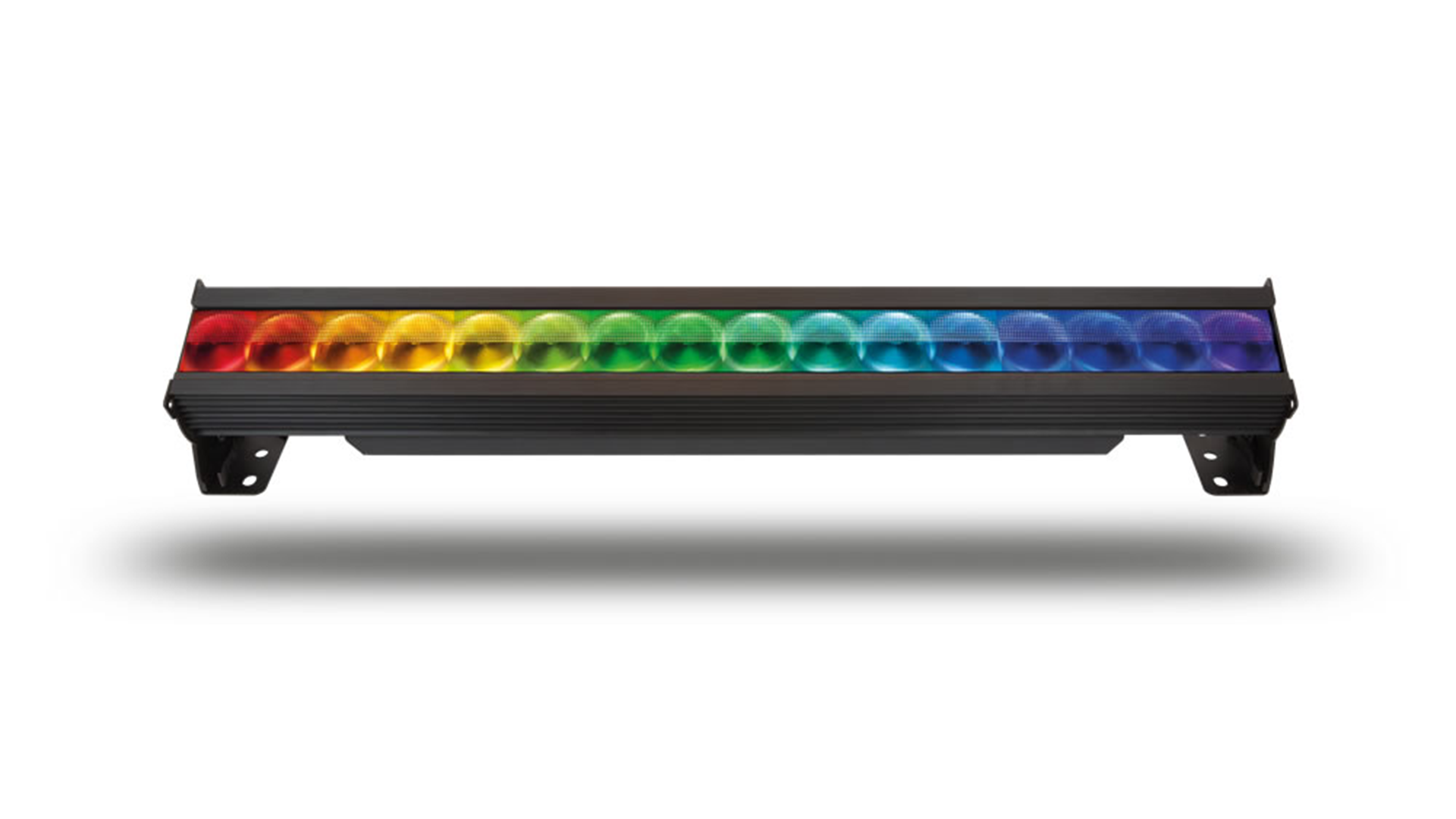
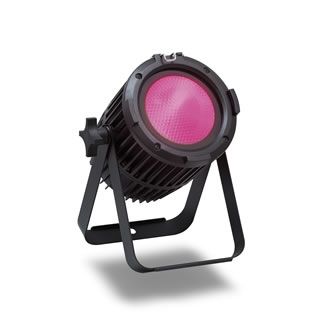
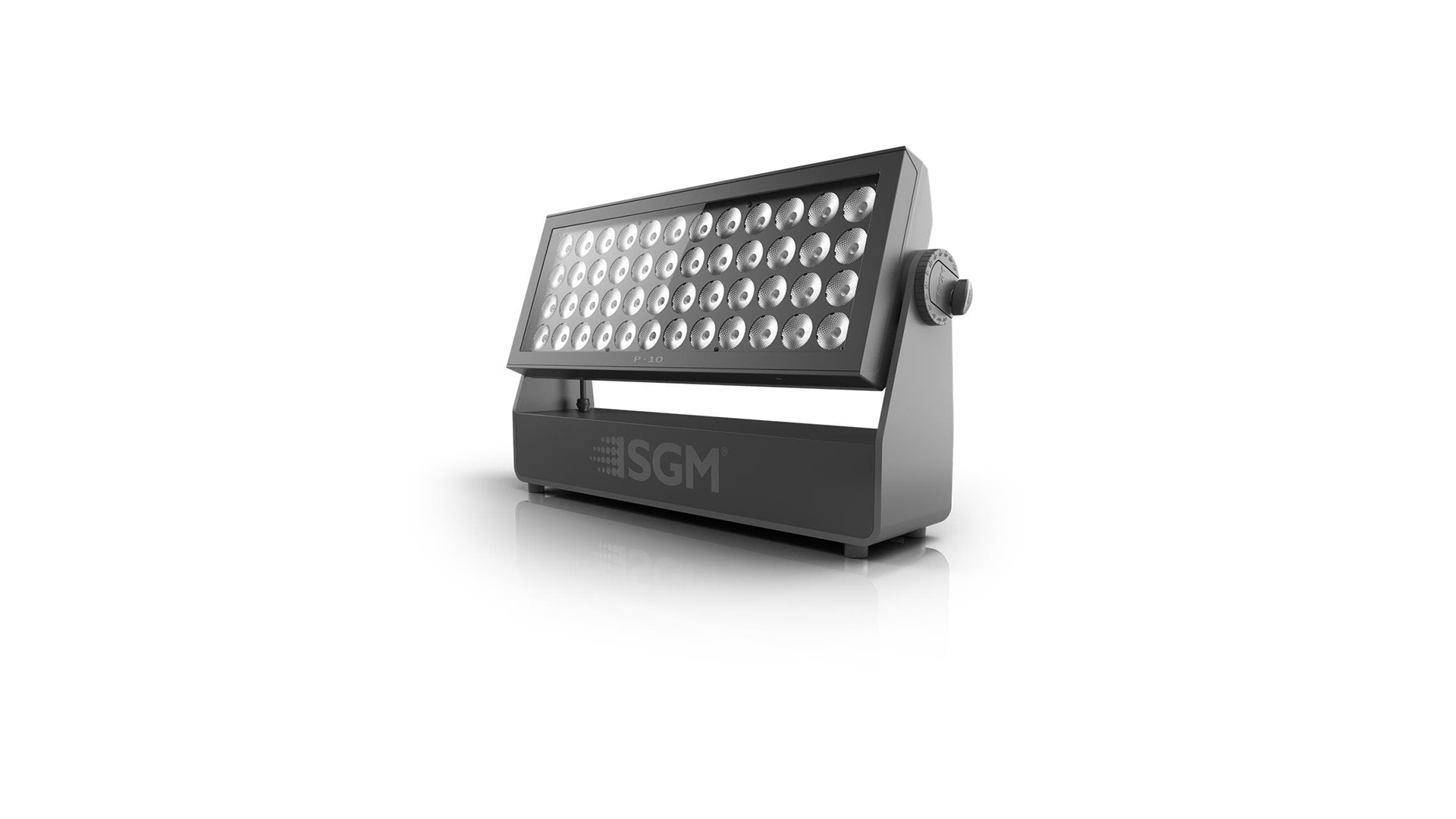
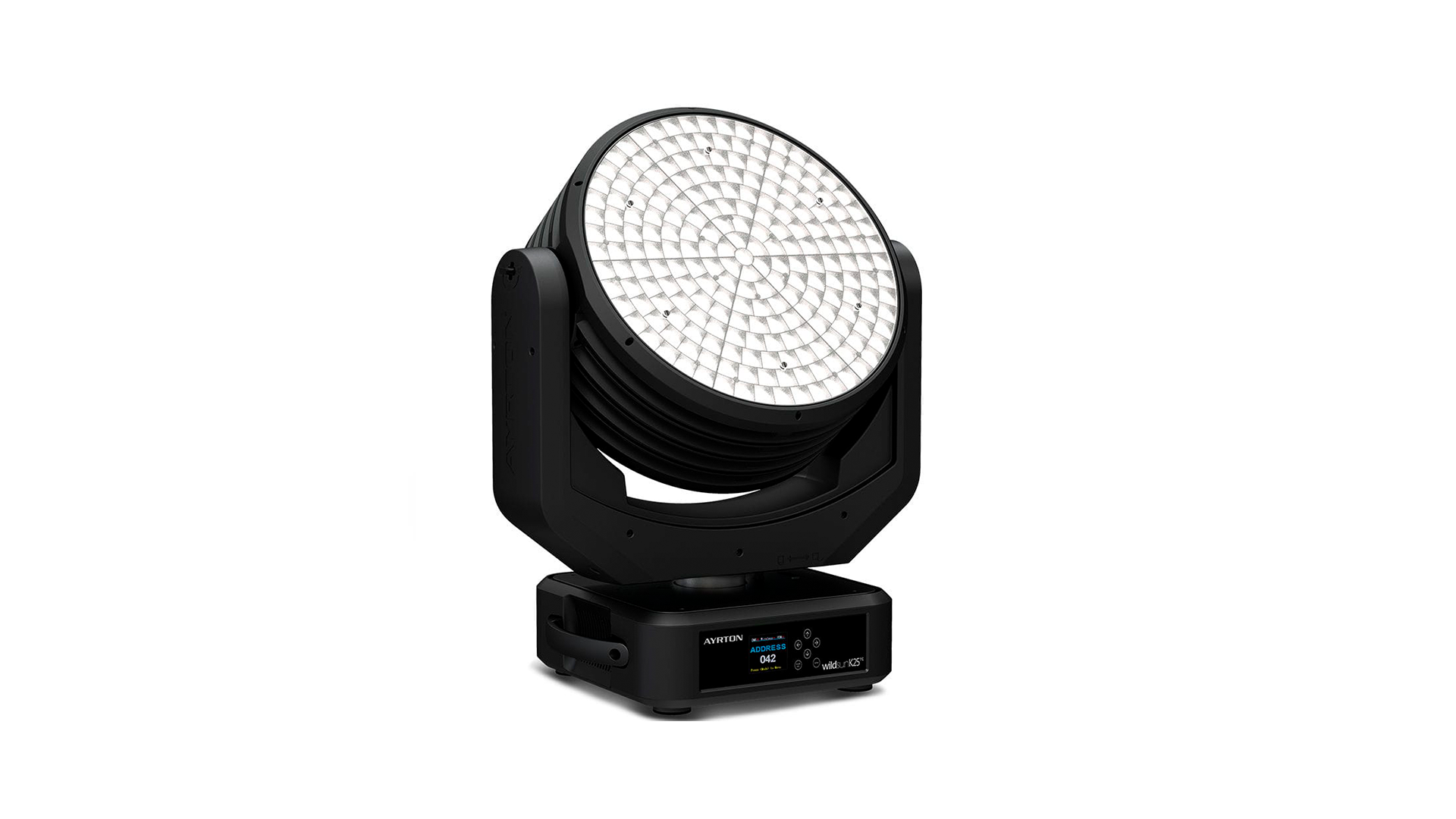
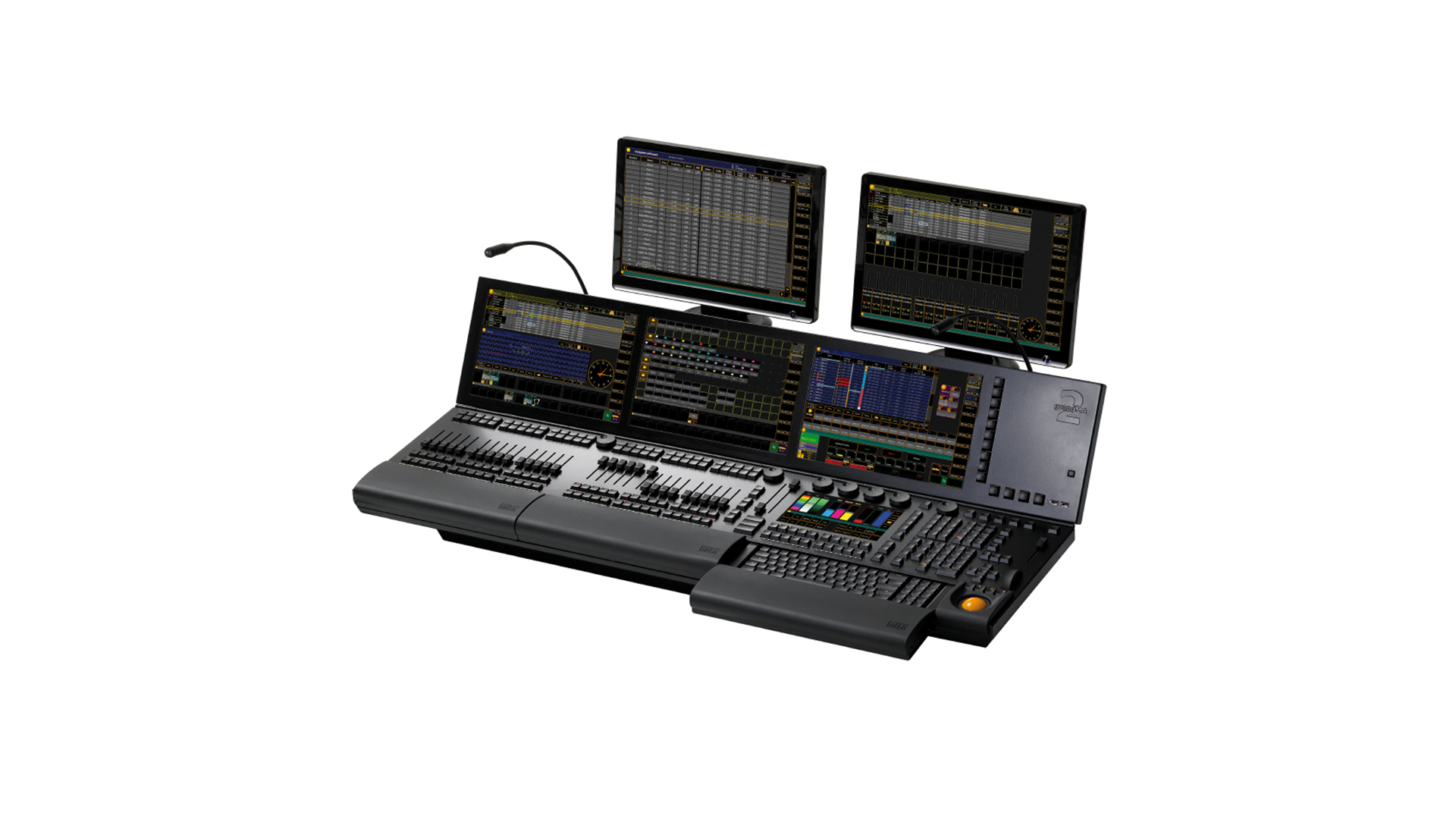
The whole show runs on four grandMA2 full-size plus one grandMA2 light. Programming was by Marc Brunkhardt; on tour Faren Matern runs the desk. The consoles talk to the entire rig over sACN and Art-Net on the tour network, including all spot-operator positions.
Each grandMA2 full-size offers 4,096 parameters and two internal screens, plus two external touchscreens. All desks are linked as hot backups.
| Main consoles | 4× grandMA2 full-size |
|---|---|
| Backup / Spot | 1× grandMA2 light |
| Programmer | Marc Brunkhardt |
| On Tour | Faren Matern |
| Network | sACN · Art-Net · MA-Net2 |
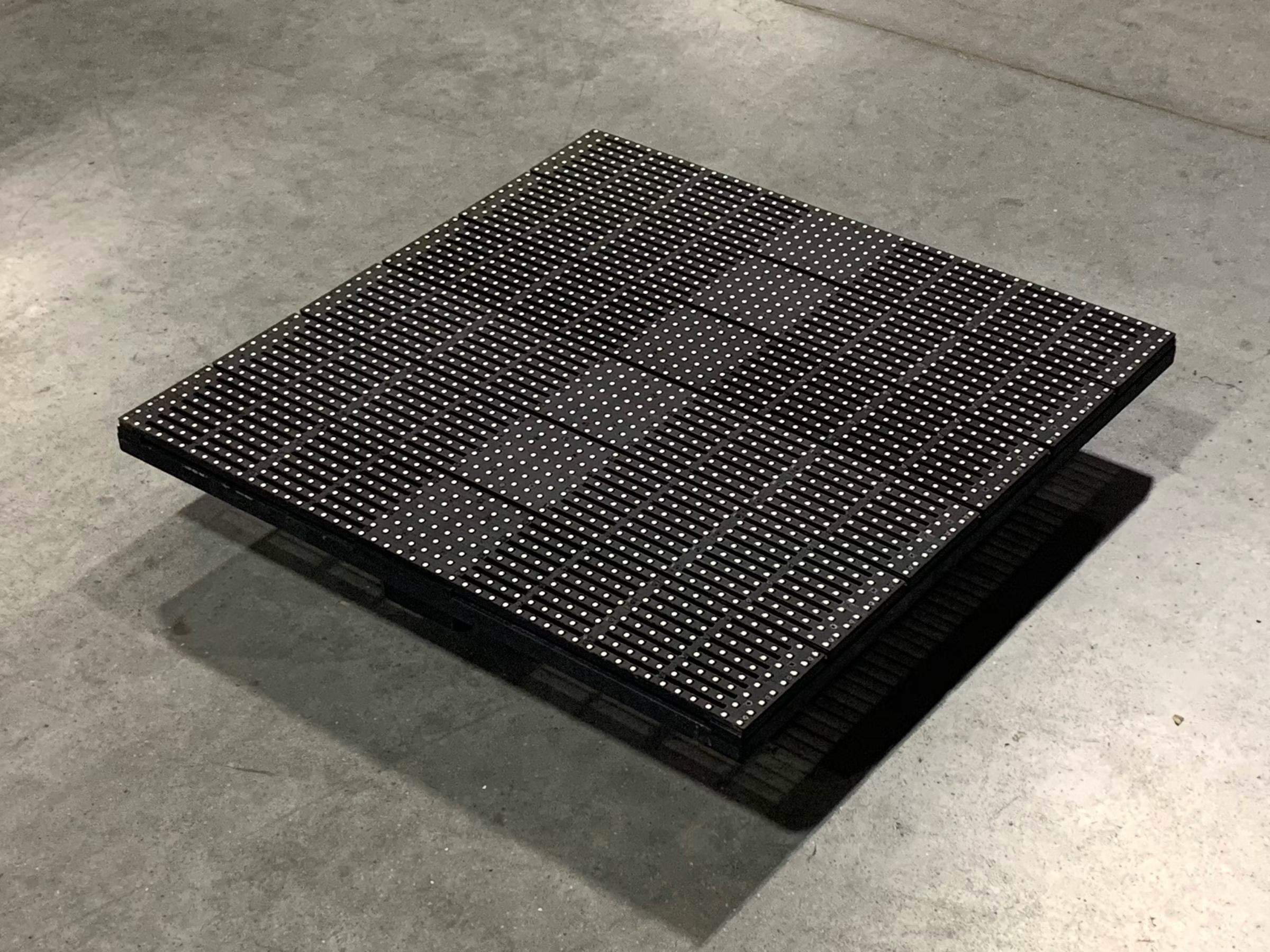
600 tiles of the in-house 9 mm modules Solotech / Saco S9 with Saco Nano processing form the 5 × 9 m HD wall that travels 27 m up and down the tower. It’s fed by two disguise GX2 Pro servers, controlled from a grandMA2 light, with a Barco ImagePRO as scaler. The Solotech flypack holds a Grass Valley Korona switcher, a Ross 32×32 SDI router and a large camera package.
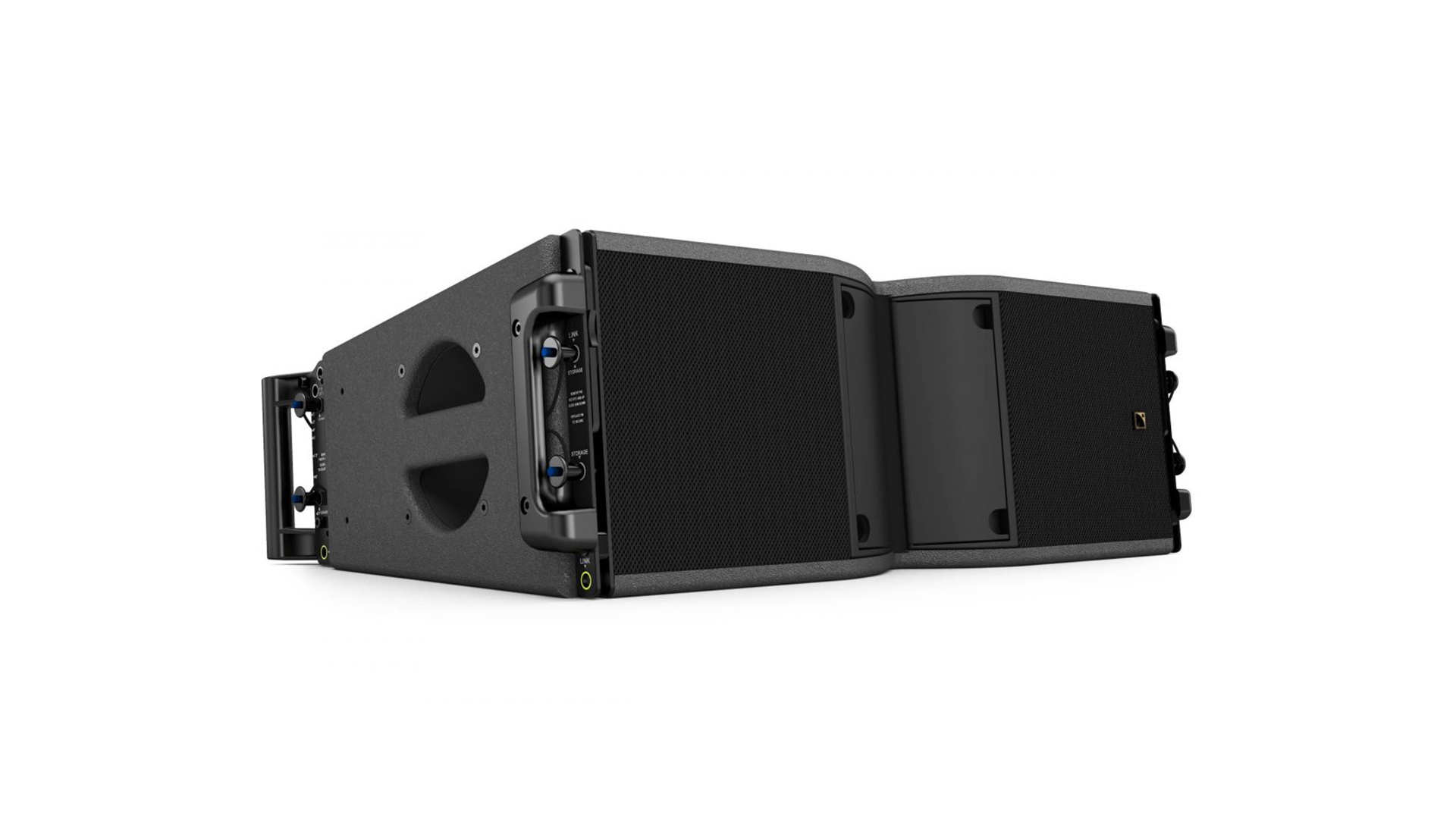
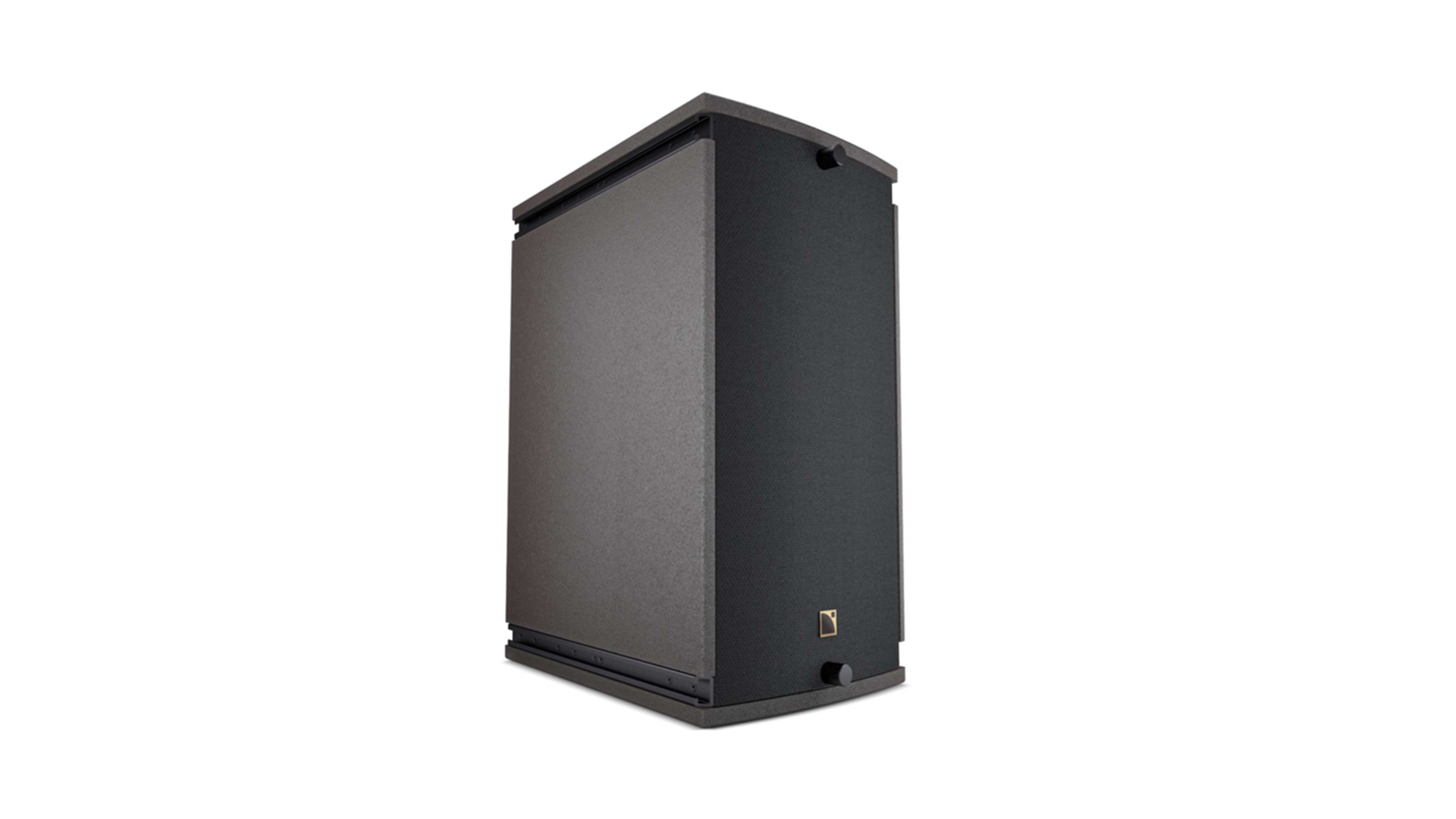
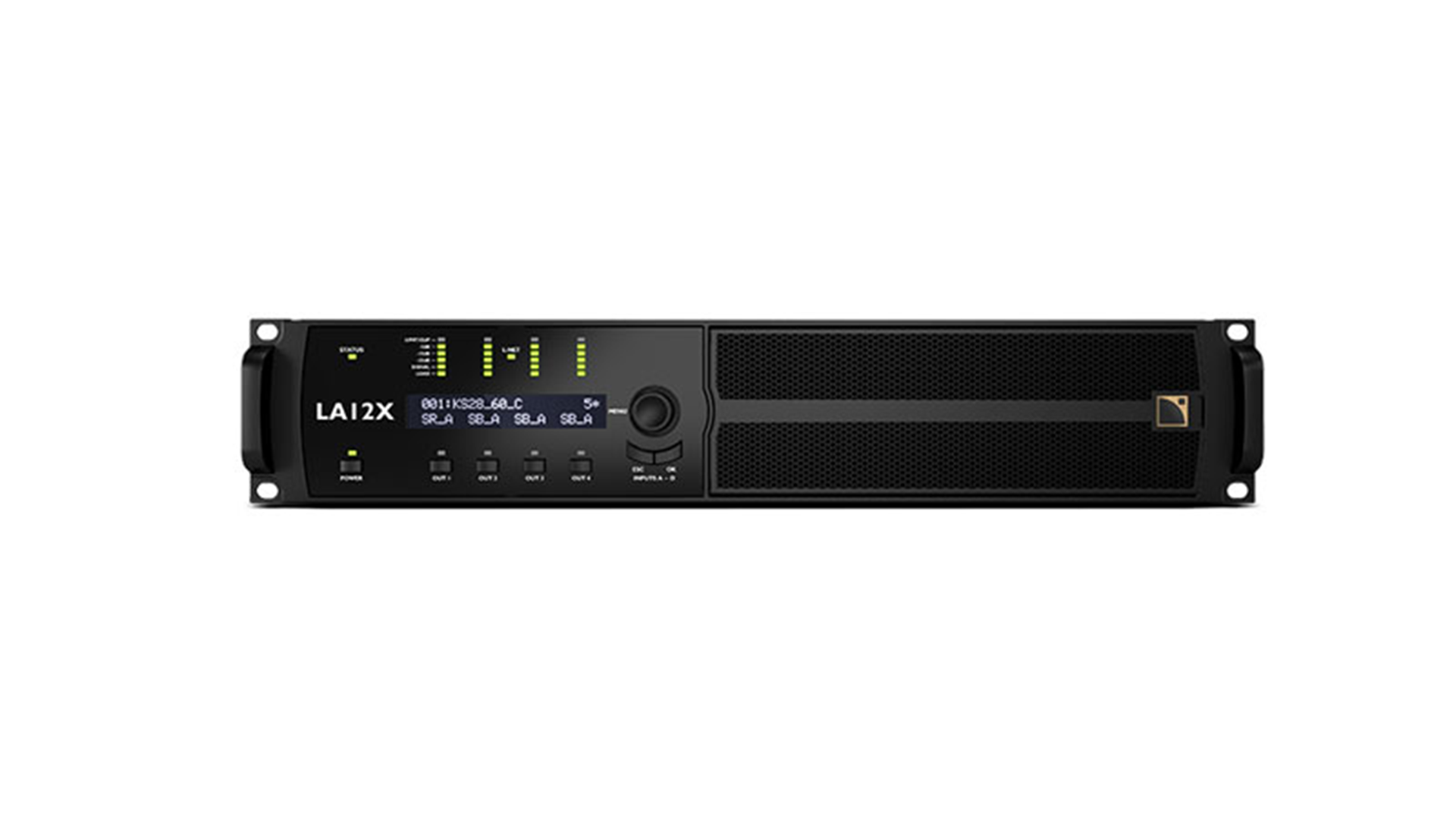
Supplied by SSE Audio (UK) and Solotech — at the time SSE’s largest AVB tour. Audio runs over Milan AVB, powered by 180 LA12X controllers. At FOH: Olsen Involtini; systems tech: Andreas Vater; crew chief: Nick Pain with 10 technicians. Load-in 4–6 hours, load-out often just 2.
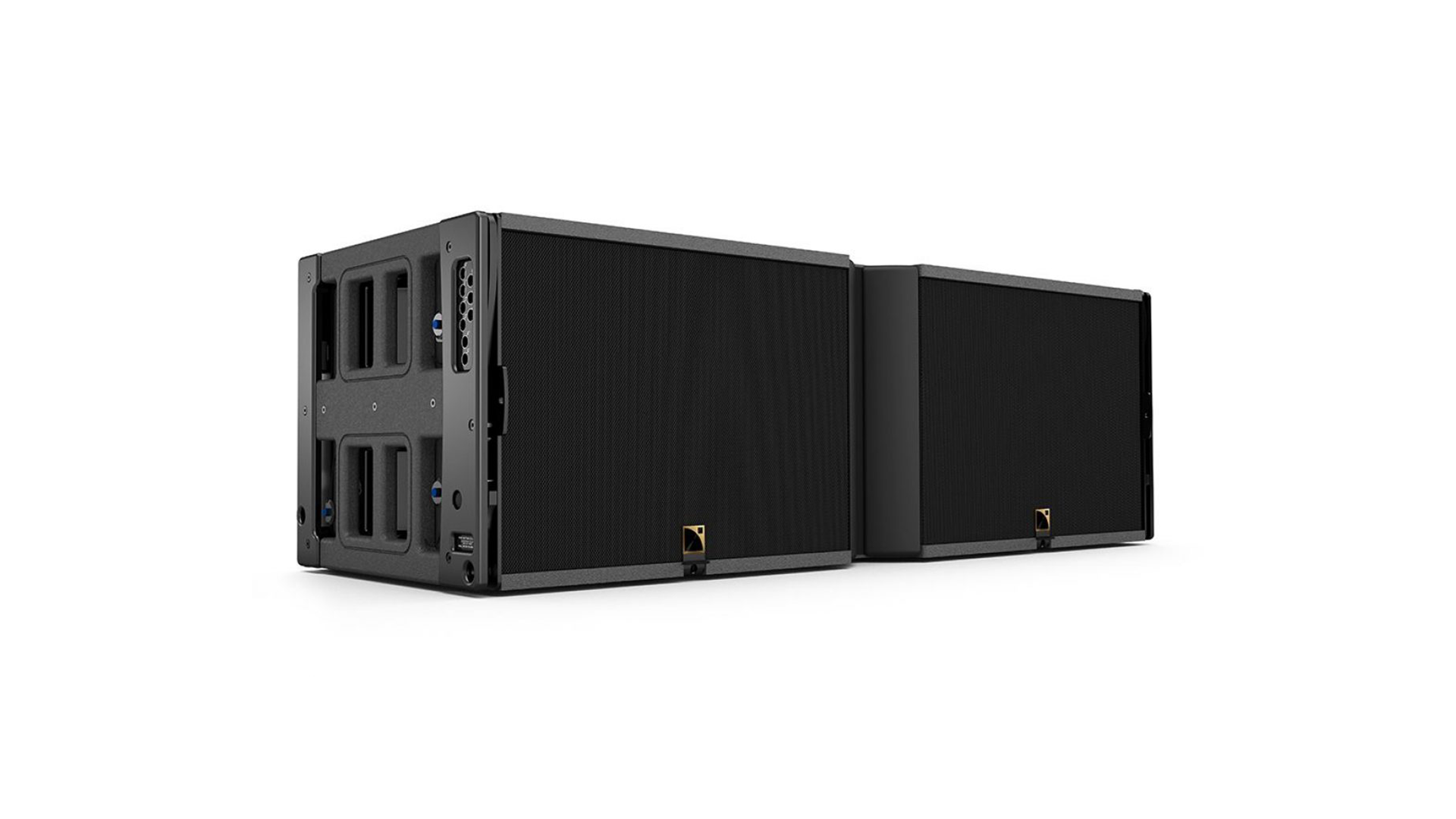
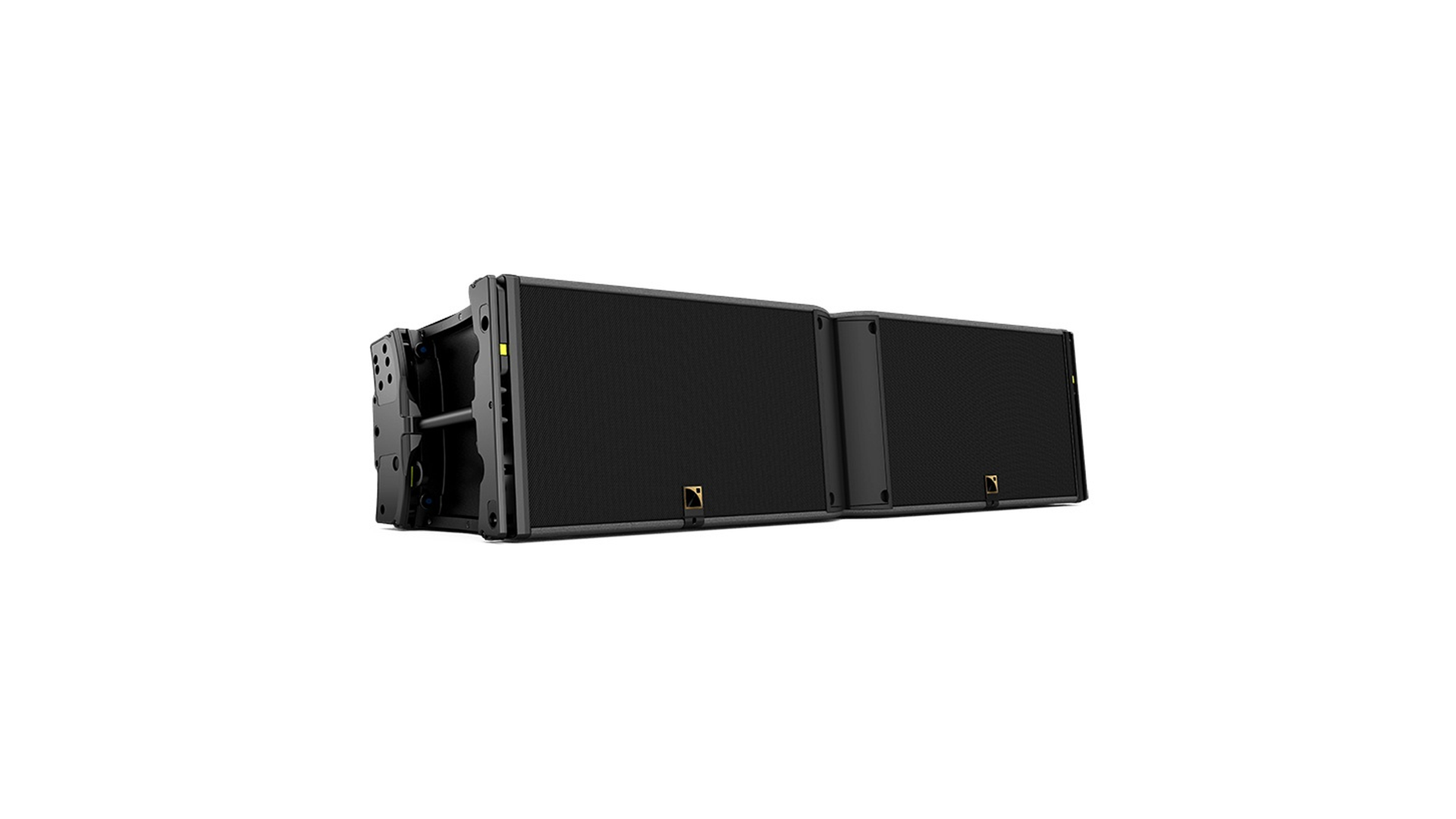
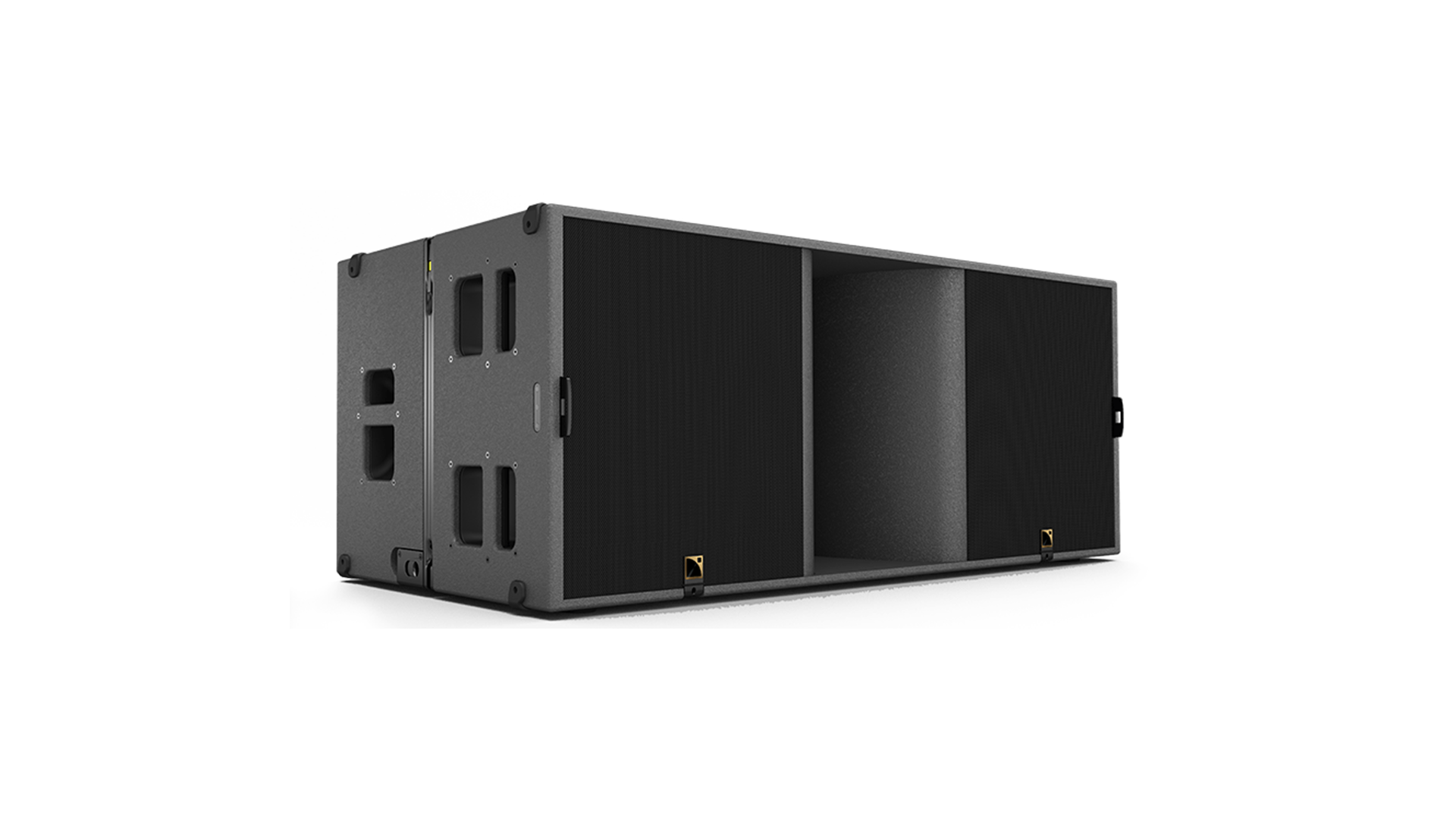
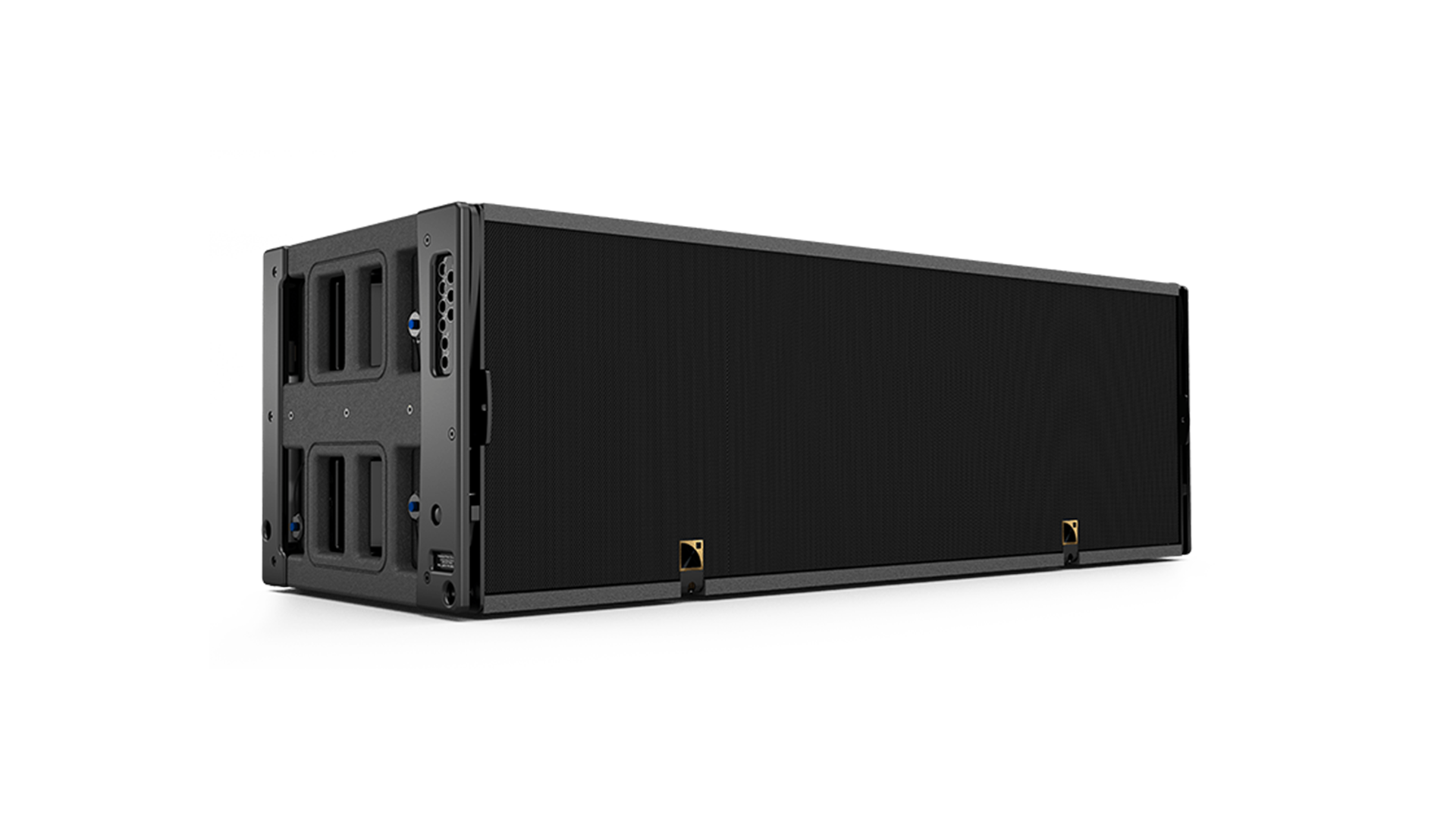
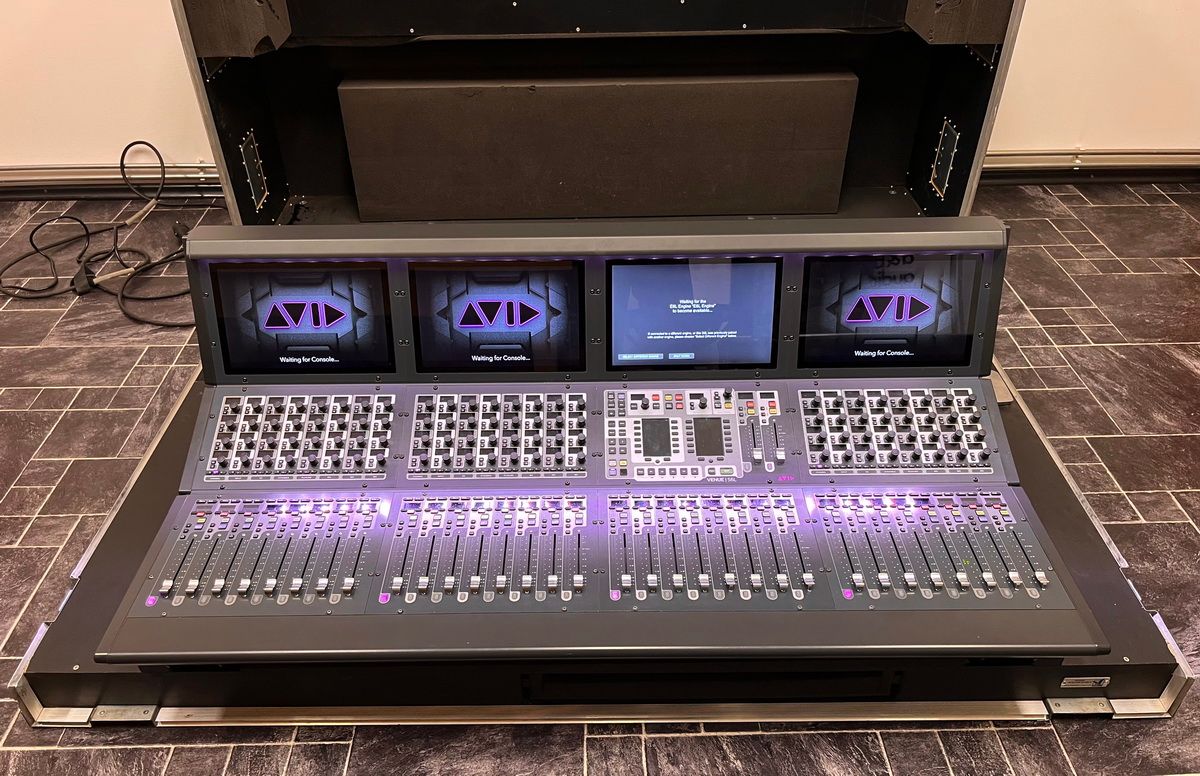
FOH: two Avid Venue S6L with two S6L-32D surfaces each, two E6L-192 engines, two Waves SoundGrid Server Extreme and two Stage-64 stageboxes. The monitor side is set up the same way — so it can fully take over if needed, with the same show files. The audio team: 10 technicians under crew chief Nick Pain.
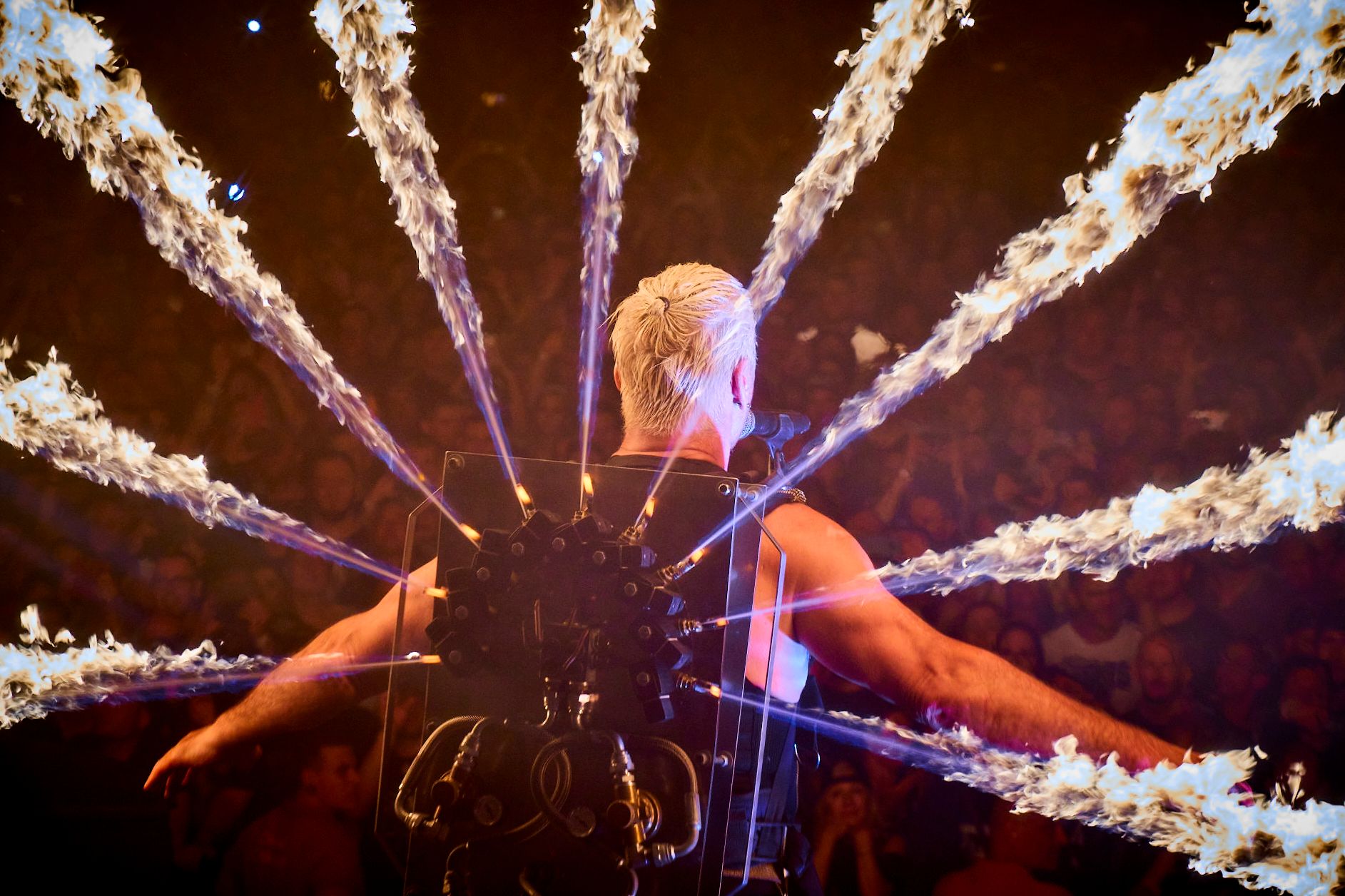
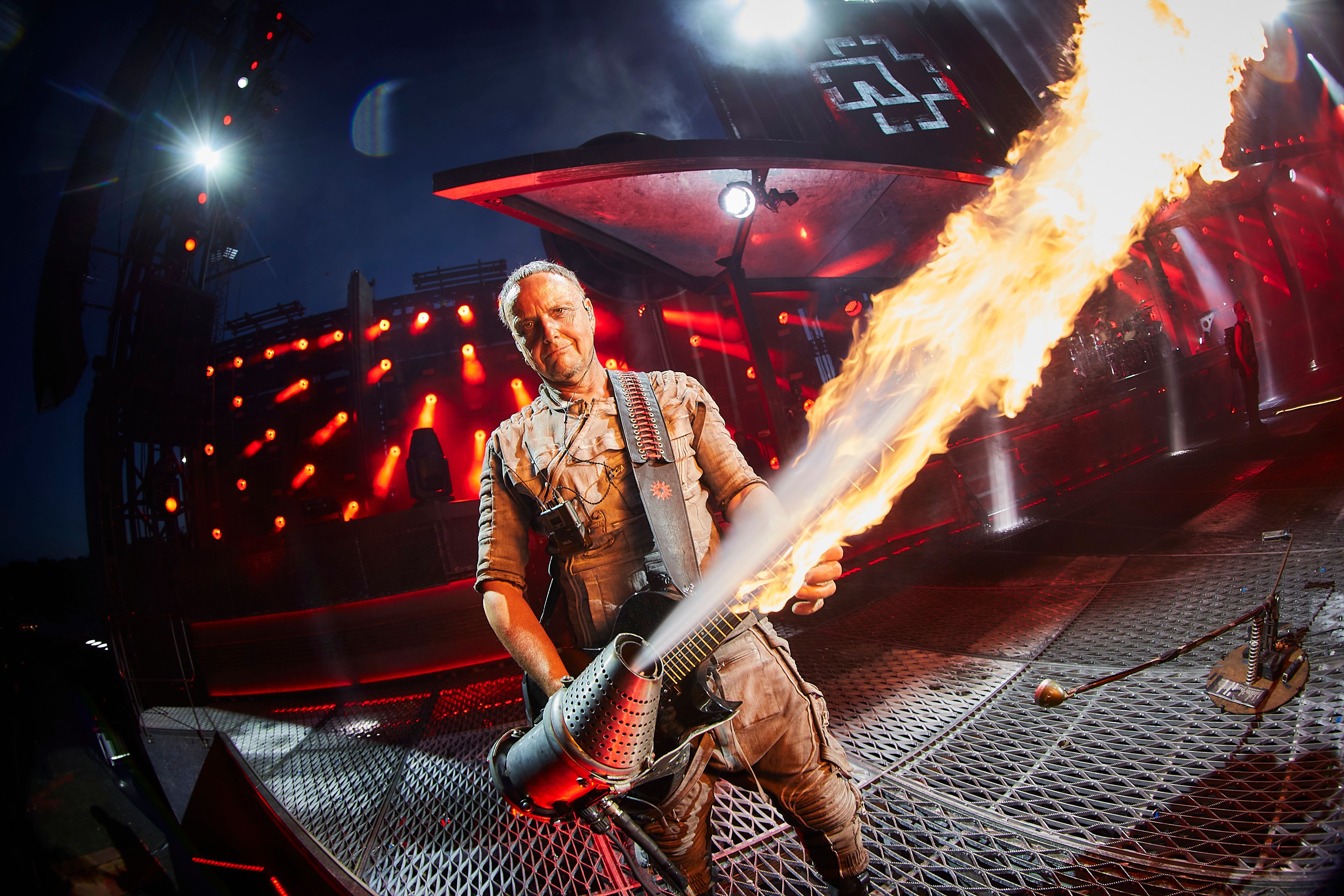
Sabottka’s Berlin company FFP was in charge. Rammstein runs its own research and development team that builds and tests effects. Each stadium show uses around 1,000 litres of fuel (other sources say ~700 l, depending on show and venue). According to Sabottka, Lycopodium is used often — a yellowish powder that makes large, controllable flames. Depending on the authority, zero to around a hundred firefighters are on site.
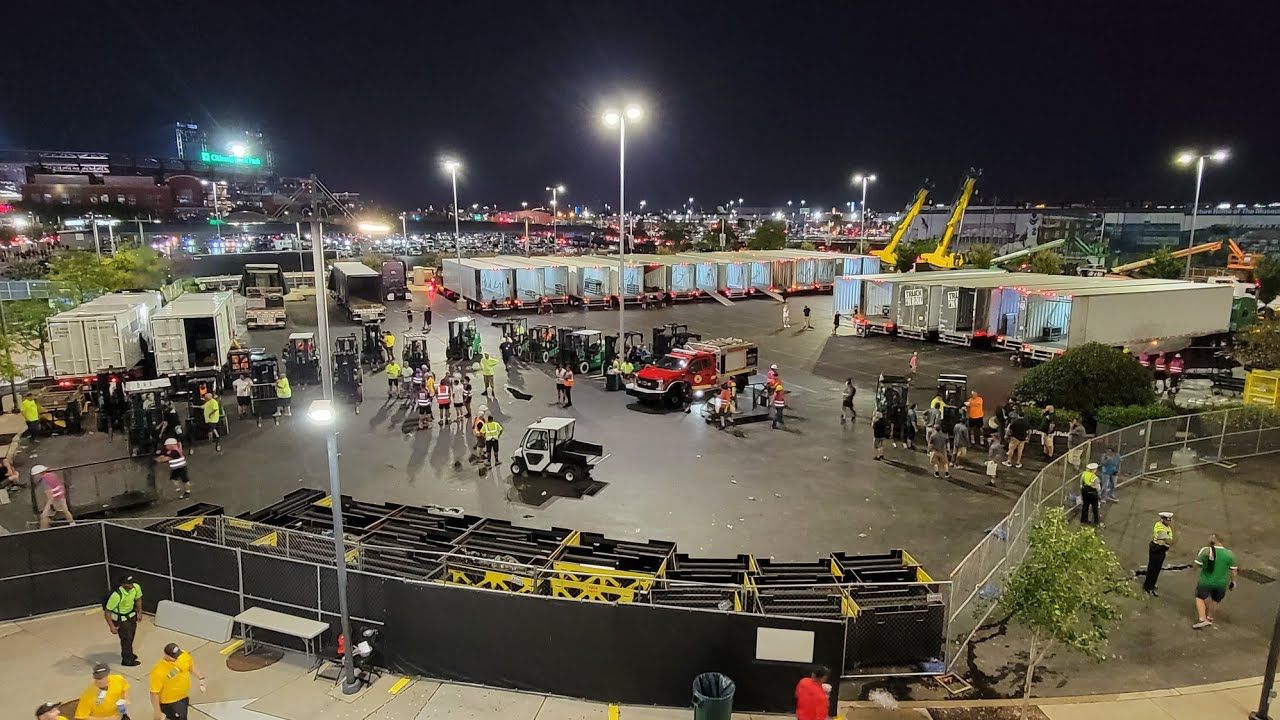
On the 2022 US run, around 1,300–1,350 tonnes of equipment rolled into the stadium, with roughly four days of build per venue. The first WIcreations delivery alone came to 72 tonnes on 10 trailers. Audio load-in: 4–6 hours, load-out often just 2.
| Equipment weight (US stadium) | 1 300–1 350 t |
|---|---|
| Build time (stadium) | ≈ 4 days |
| WIcreations · first delivery | 72 t · 10 trailers · built in 14 weeks |
| Audio-Crew | 10 technicians · crew chief Nick Pain |
| Audio Load-in | 4–6 h |
| Audio Load-out | ≈ 2 h |
The basic framework — tower, video wall, PA towers, lighting concept — stayed the same across the tour. In 2022, L-Acoustics K1, K2, KARA, K1-SB and KS28 plus Avid Venue were still in use. What changed was mainly the setlist (new album Zeit) and some props and effects; in 2023 a few show elements were dropped (such as the “Pussy” cannon).
The tour ran from 2019 to 2024 under the name Stadium Tour. It paused in 2020 and 2021 due to the pandemic, then resumed in 2022 around the album Zeit. Final show: 31 July 2024 · Gelsenkirchen, Veltins-Arena.
The information on this page comes from official statements by the companies involved and from the international trade press — limited to what is actually documented. Exact totals for each fixture aren’t fully published; manufacturers list only their own units, so the individual items add up to “over 1,000 fixtures” without every position being publicly listed.