
Bands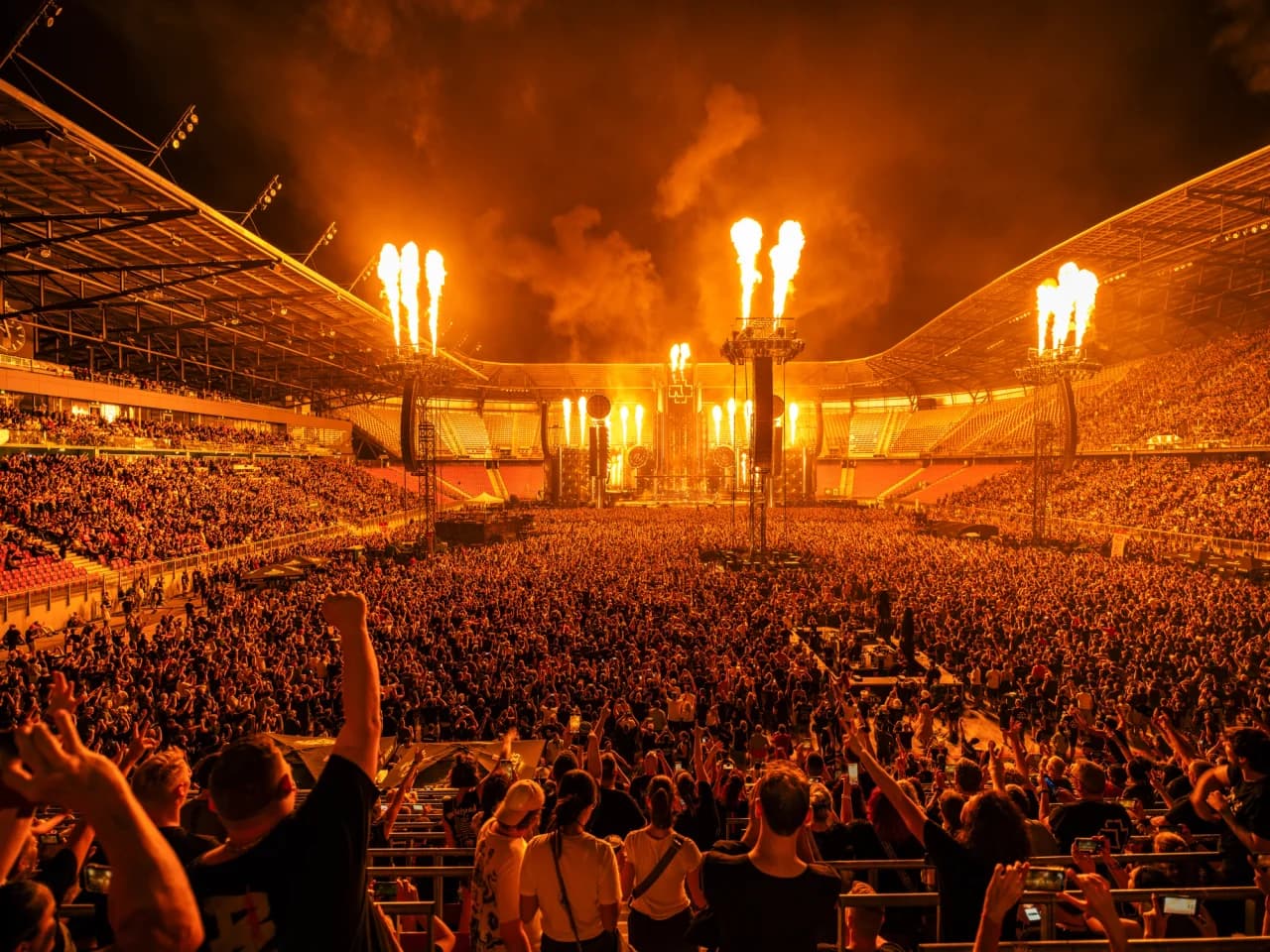


Official Fan Platform
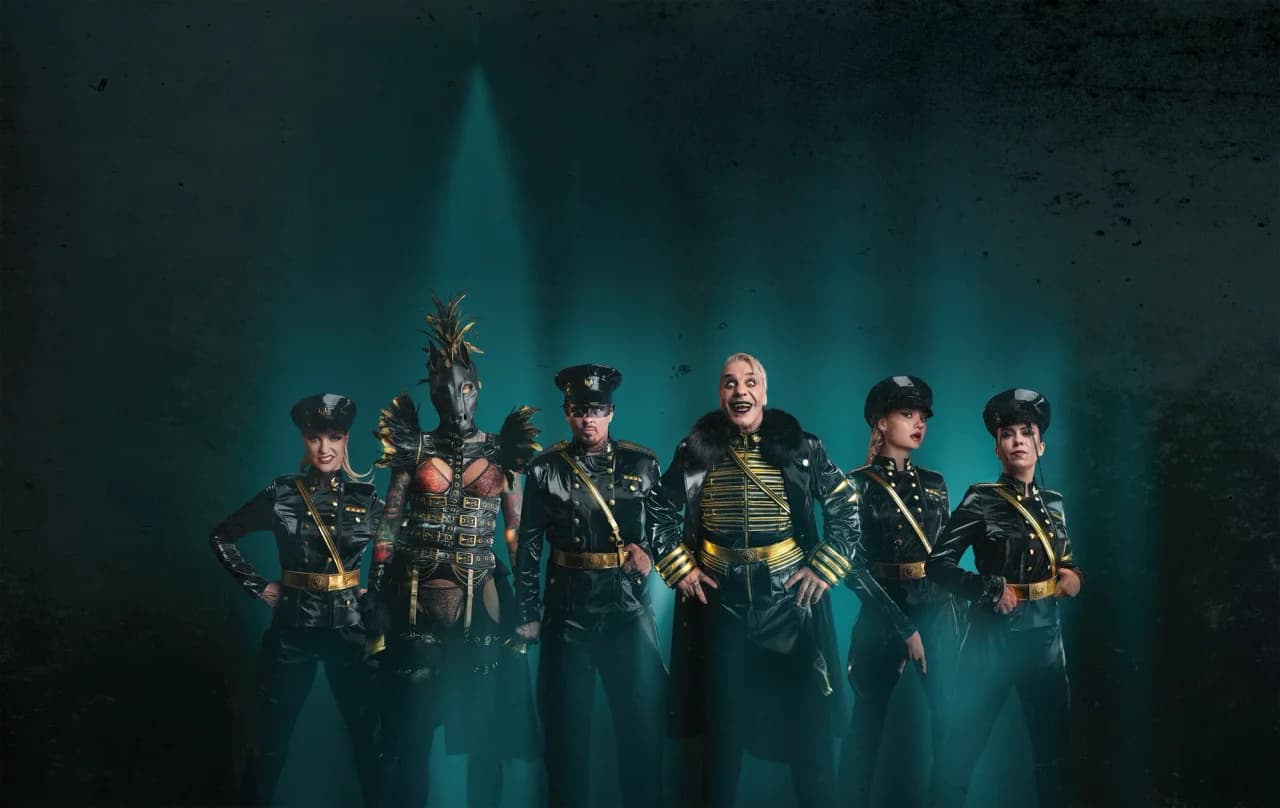
1994, East Berlin. Six musicians from the post-reunification scene – many of them shaped by the punk and metal underground of the late GDR – came together in a rehearsal space. Richard Kruspe had the idea, Paul Landers followed, Christoph Schneider and Oliver Riedel joined in. Till Lindemann, who had previously played drums in Dresden, took the microphone. They named themselves Rammstein, after the German town of Ramstein, where an airshow disaster in 1988 killed 70 people.
The first album came out in 1995. In Germany, it went largely unnoticed at first. In the US, things went differently: producer Ross Robinson, known for his work with Korn and Sepultura, brought them into the American market. Suddenly, the largely unknown sextet from East Berlin found themselves on the Ozzfest lineup.
Thirty years later, they play stadiums. In German. Without explanation.
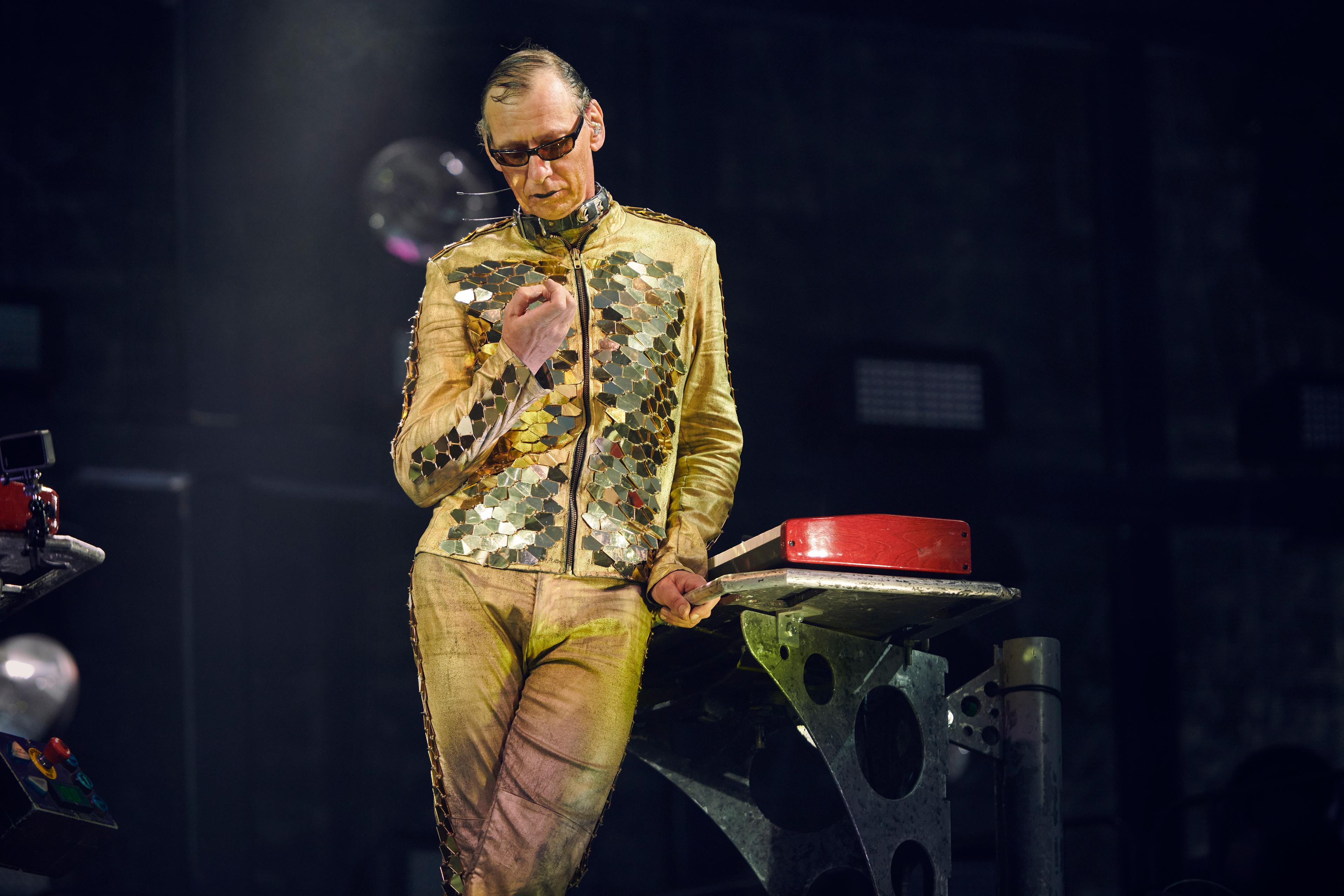
The Rammstein sound is easier to recognize than to describe. There are the riffs – wide, heavy power chord structures that Richard Kruspe and Paul Landers have divided between themselves for decades. There's Flake's keyboard, which depending on the song either provides an orchestral foundation or steps into the foreground completely. And then there's Lindemann's voice – a baritone that knows it doesn't need to perform.
What sets the songs apart are the lyrics. Lindemann writes in German, precisely, often in layers. Du hast is a four-letter word game. Mein Teil deals with cannibalism without mentioning it directly. You understand it even without speaking German – and that probably explains why the songs work as well in Japan as they do in Rio.
Rammstein never ran an international strategy. They didn't translate their lyrics into English, didn't bring in an American producer to force a breakthrough. The opposite: almost every provocation has brought them short-term trouble – seizure of the Seemann video, an outcry following the Deutschland clip, stage bans in individual cities.
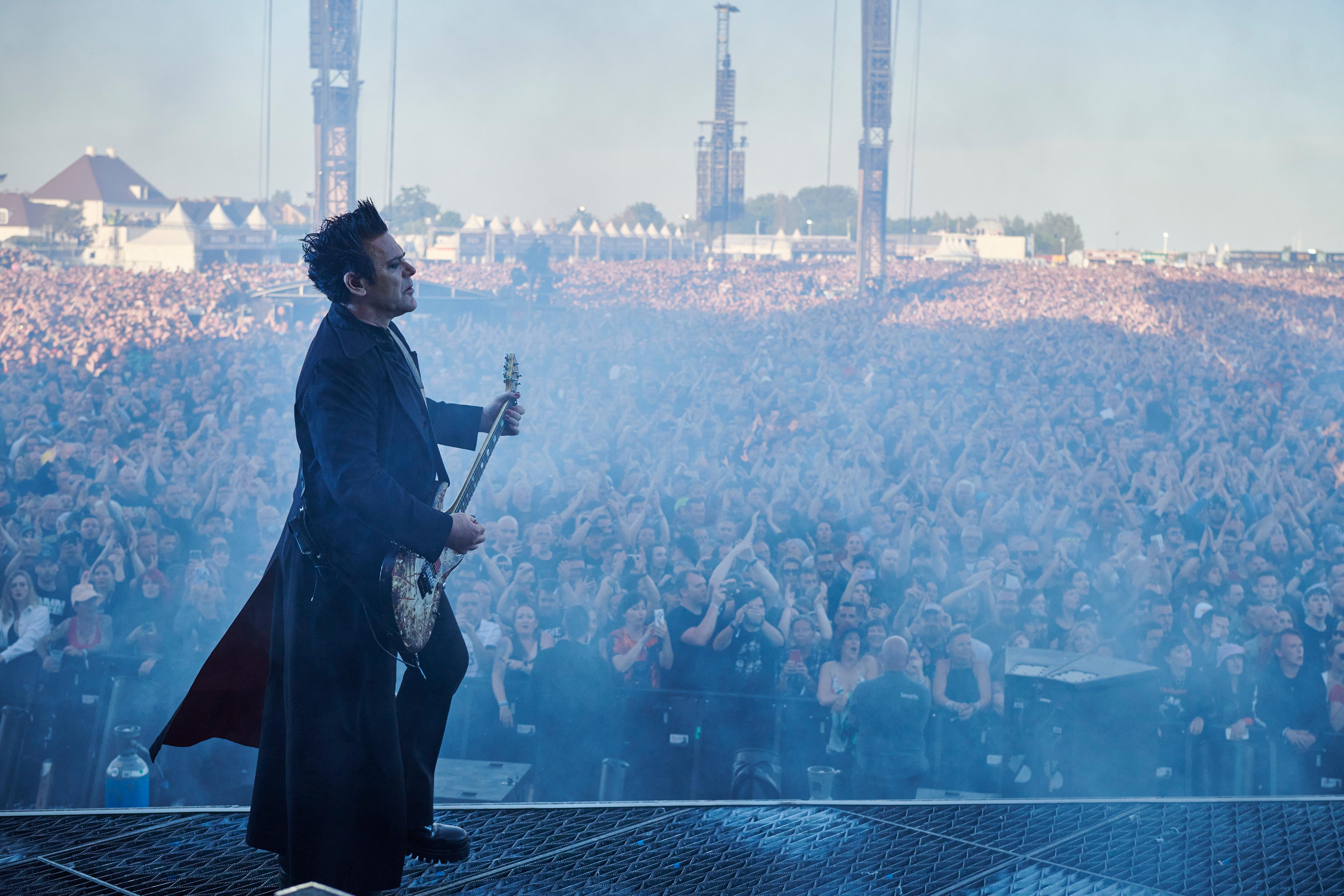
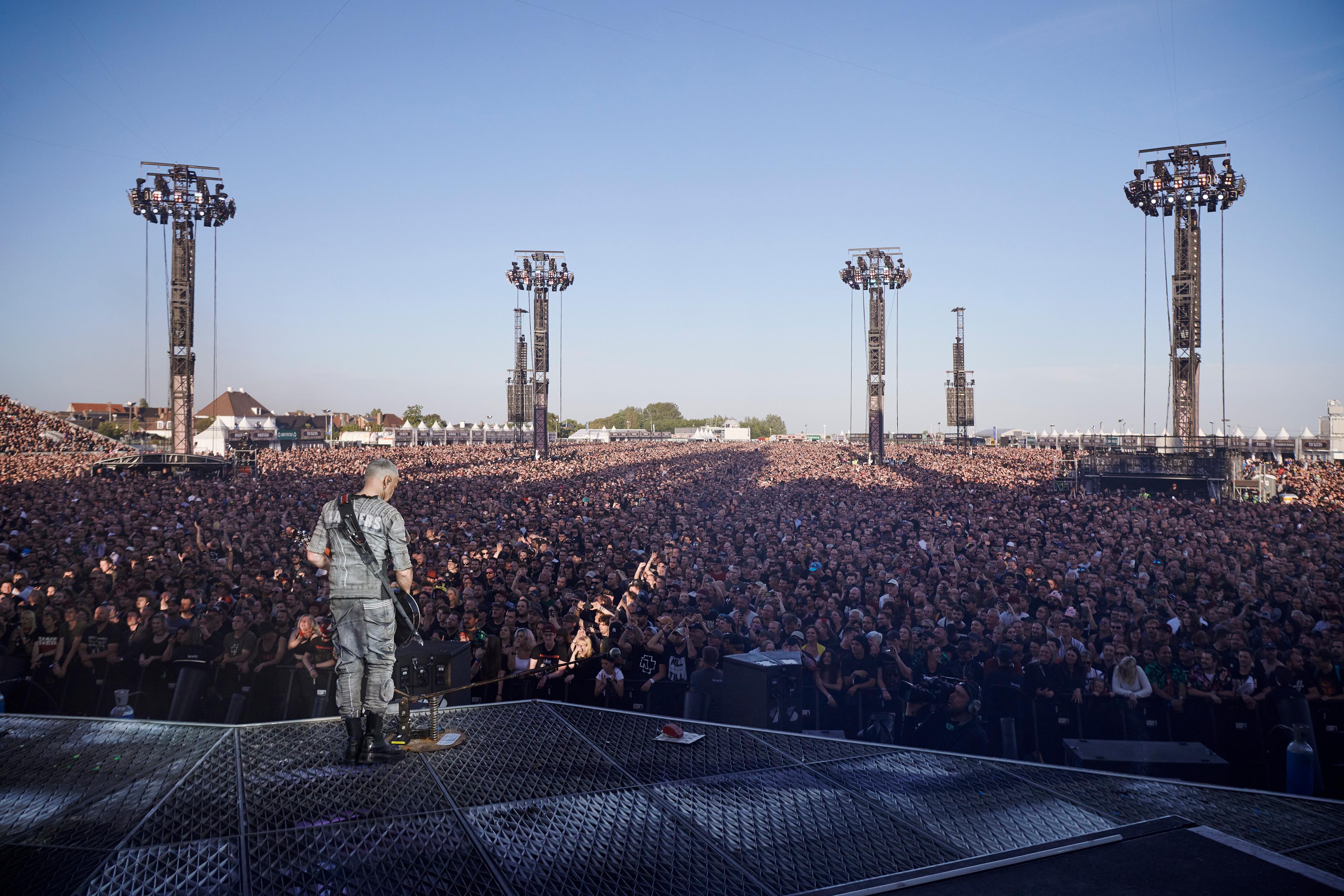
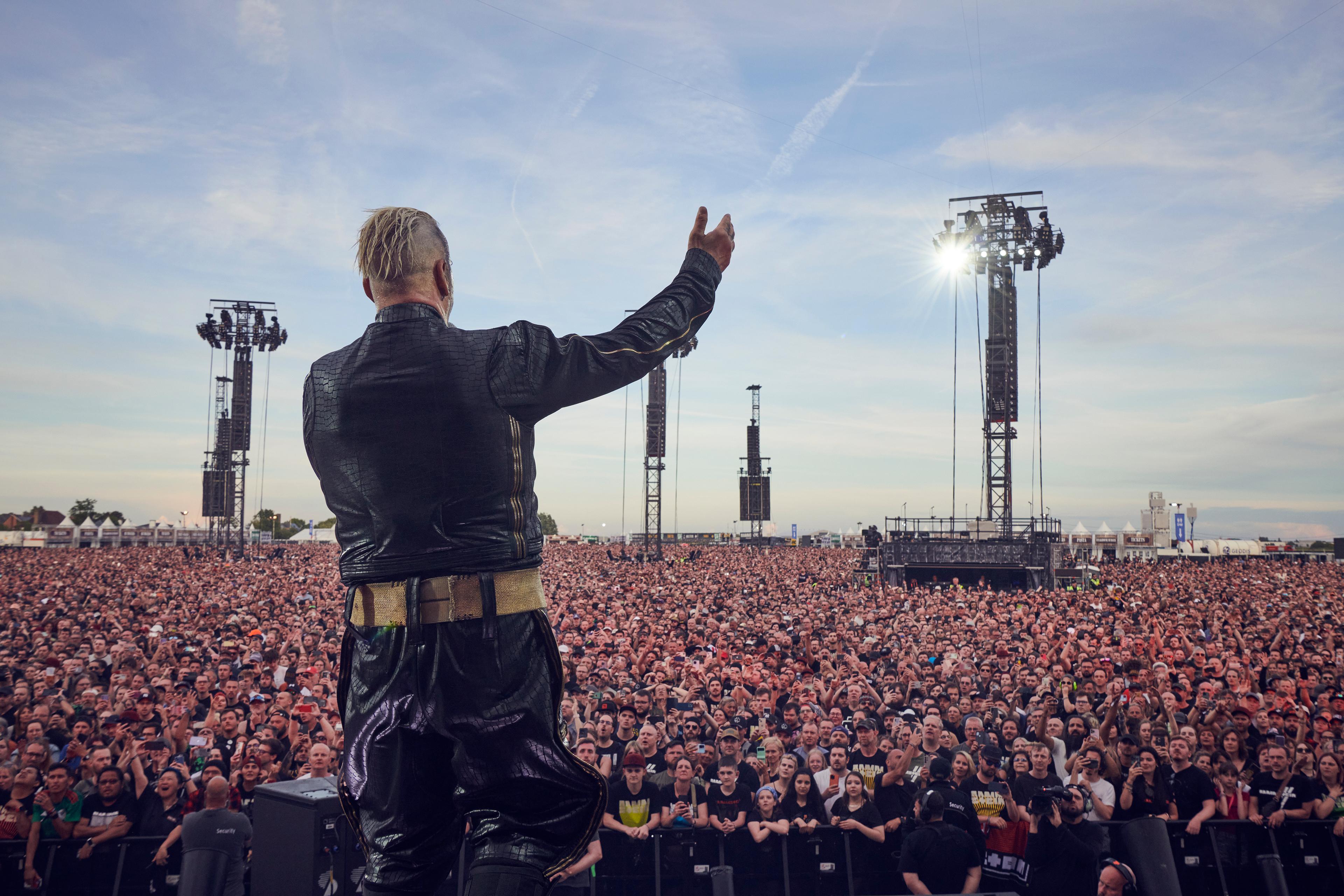
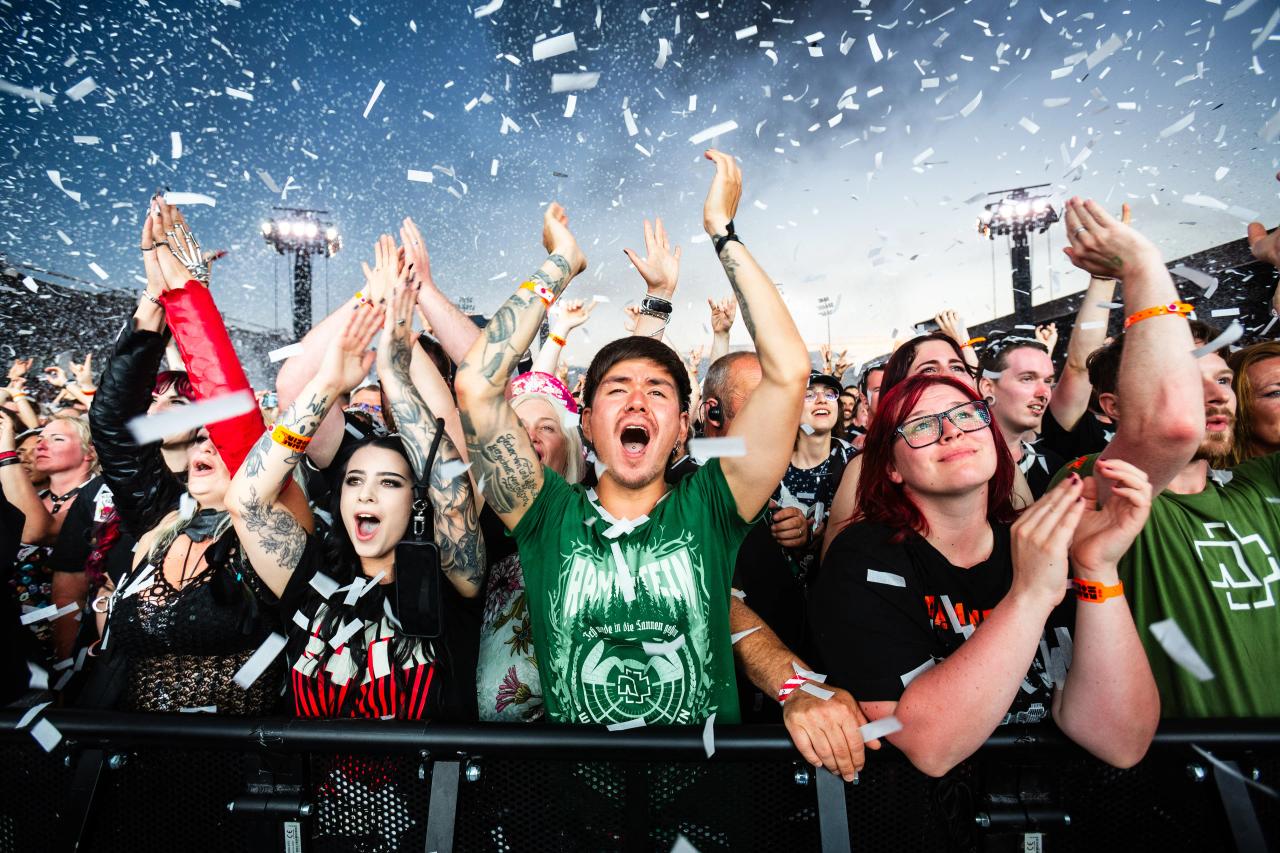
None of it slowed them down much. Their North American tours in 2022 and 2023 sold out within minutes. In Moscow, they played to 170,000 people. Audiences know the lyrics by heart – in German, even when nobody in the crowd speaks it.
Rammstein videos rarely go unnoticed. The Deutschland clip drew criticism from multiple directions – too political, too ambiguous, too easily appropriated by contexts the band has no interest in. The Pussy video still runs in censored form on most platforms. Provocation is not an end in itself – but it is never accidental either.
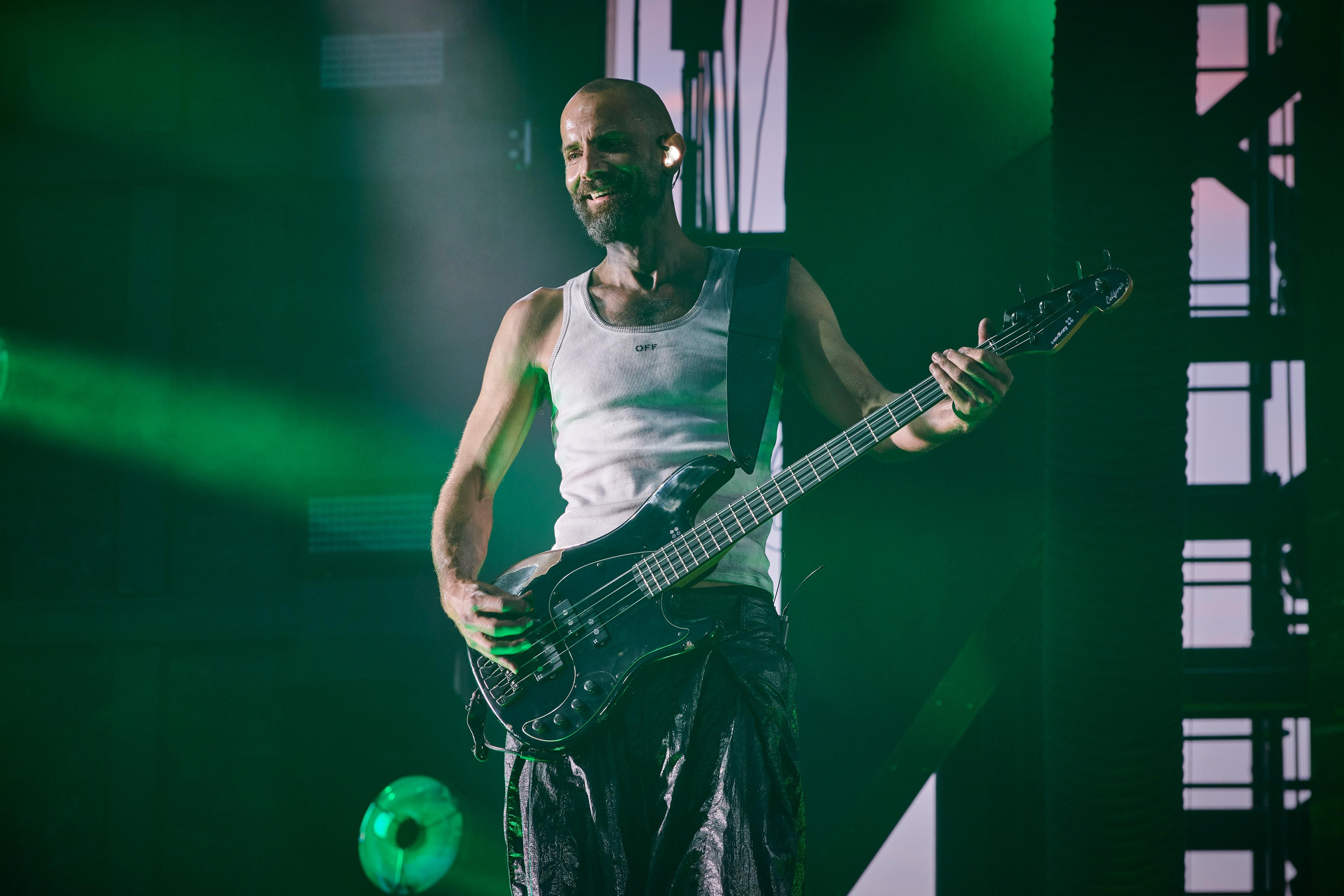
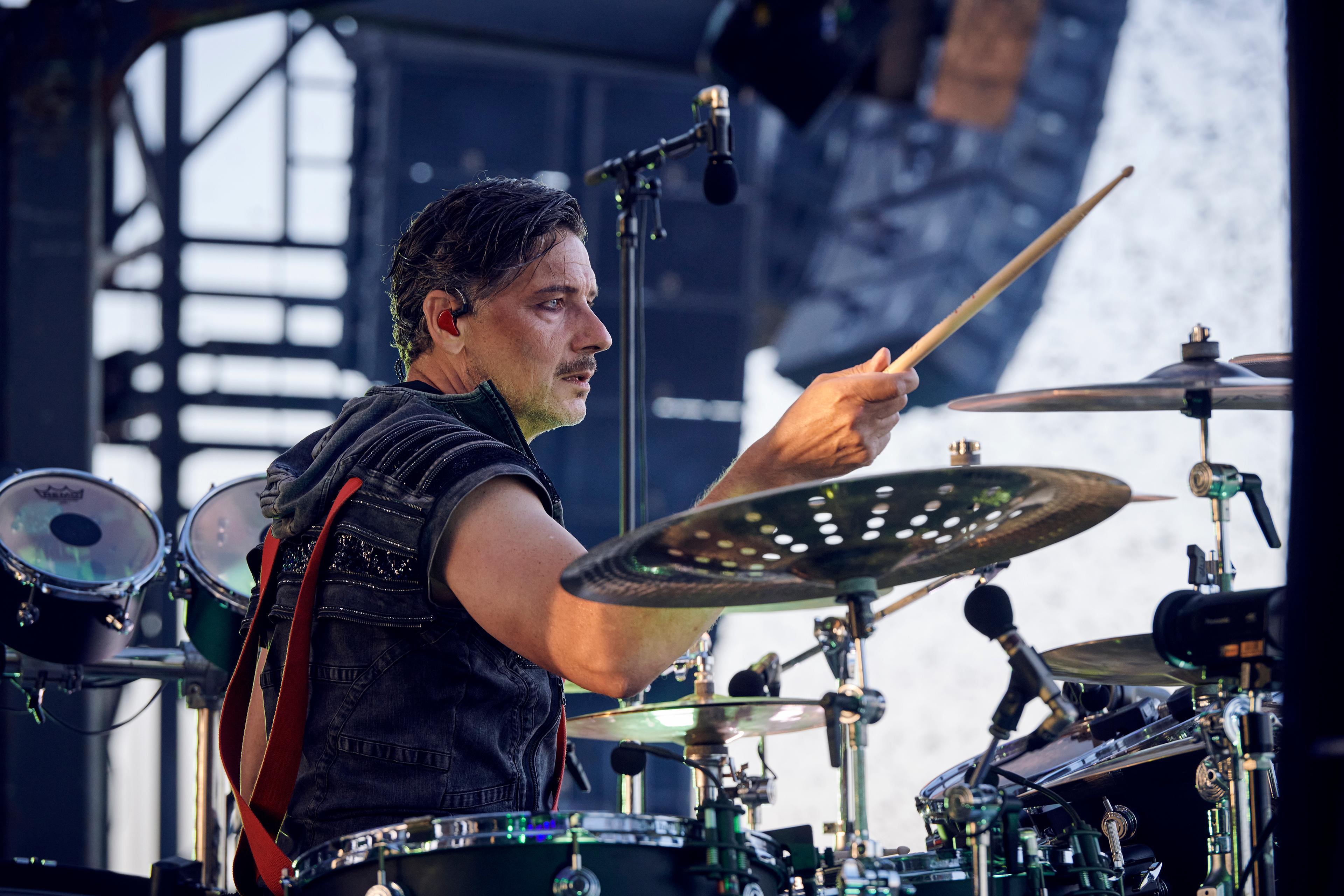
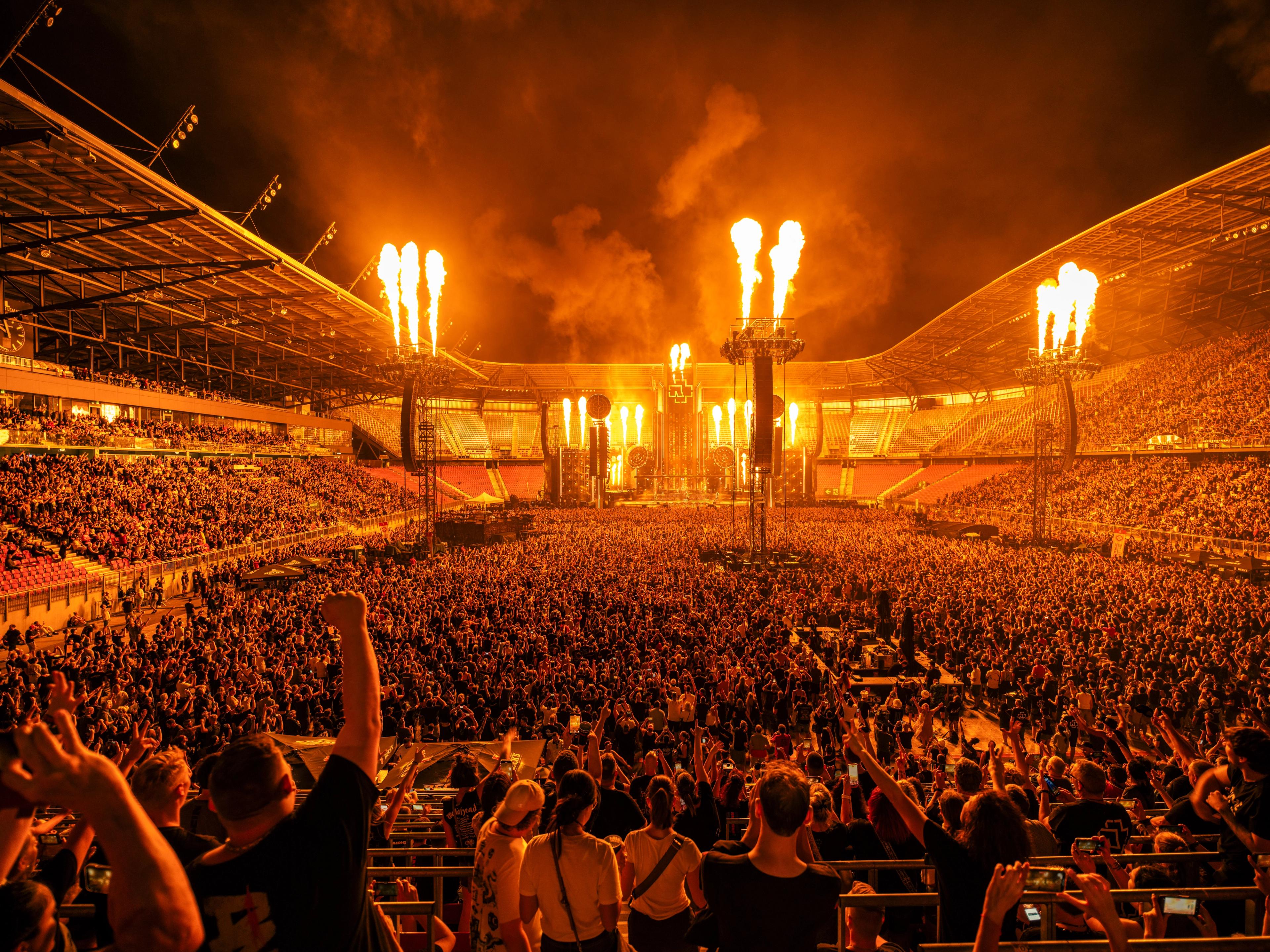
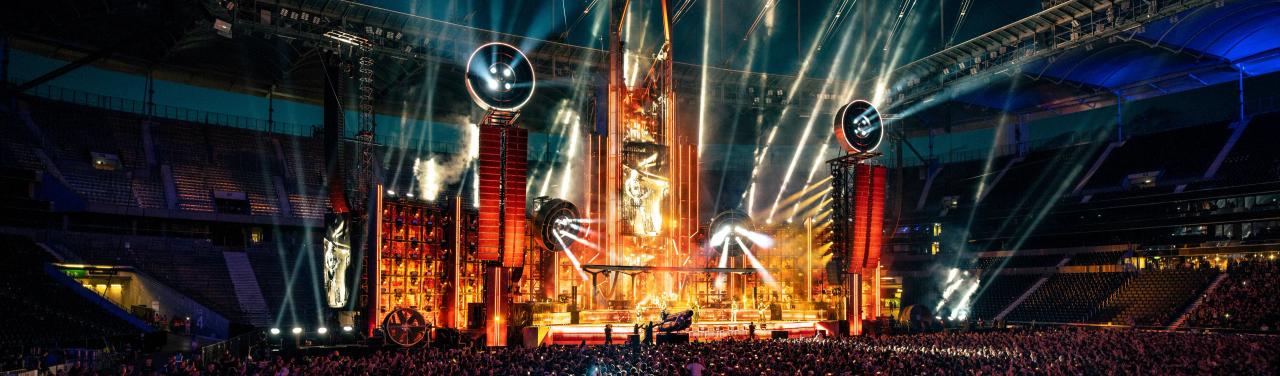
On stage, things burn. That's not a metaphor: Rammstein shows rank among the most technically elaborate productions that regularly go on tour in the rock world. Fire, cranes, inflatable figures, pyrotechnics that keep safety authorities occupied in multiple countries. The audience expects it – and they get it.
Seven studio albums in thirty years. Not a high output rate – but not one of them was a concession to the zeitgeist. The first came out in 1995, the most recent in 2019. In between: legal proceedings in Germany, distribution bans, a Grammy veto, and the recurring accusation of reproducing far-right symbolism – which the band has tried to counter through a consistently left-leaning public stance, without ever fully shaking the charge.
What remains is a band that has done the same thing for three decades: sing in German, play in stadiums, ask nobody for permission. The lineup is unchanged. At some point, they started their own label. You don't have to like Rammstein – but you can't ignore them.